
(616) 846-3400
Fax: (616) 846-3406


Leave Google Review for Grand Haven Foot & Ankle
Grand Haven Foot & Ankle on Twitter
Grand Haven Foot & Ankle on Facebook

Blog

Running Smarter to Prevent Injuries

Running is a great way to stay active, but repeated stress on the feet and legs can increase the risk of injury. Runners of all experience levels can develop problems, especially when training intensity rises too quickly. Overuse injuries are particularly common because repetitive running places continued stress on muscles, tendons, and bones. Stress fractures can develop in the foot or lower leg from repeated pounding and continuing to run through early pain. Gradually increasing mileage and pace can help the body adjust to the demands of running while reducing unnecessary strain.


A well-planned training schedule plays an important role in running-injury prevention. Alternating shorter and longer mileage days can reduce repetitive stress, while avoiding constant training on hills or uneven surfaces may also lower injury risk. Rest days are important because excessive training does not allow enough time for recovery. Running mechanics also matter. Poor form during long-distance running may increase the chance of repeated injuries. Strength throughout the legs, hips, and core can support better running performance and help protect the body from injury. Pain that continues while walking or does not improve with rest should be evaluated by a podiatrist.


Foot and ankle health are especially important for runners because these areas repeatedly absorb force with every step. A podiatrist can evaluate running-related foot pain and look for problems that may affect movement or increase injury risk. An assessment can help identify concerns involving foot mechanics and determine whether an injury needs further treatment. Seeking podiatry care early may also prevent a minor running injury from becoming a more serious problem. This is especially important for persistent pain that affects walking or normal activity. If foot or ankle pain is interfering with your running or continuing between workouts, it is suggested that you consult a podiatrist for an evaluation and appropriate treatment options.

Exercising your feet regularly with the proper foot wear is a great way to prevent injuries. If you have any concerns about your feet, contact Dr. Robbi Young of Grand Haven Foot & Ankle. Our doctor will treat your foot and ankle needs.

How to Prevent Running Injuries

Many common running injuries are caused by overuse and overtraining. When the back of the kneecap starts wearing out and starts causing pain in your knee, this is commonly referred to as runner’s knee. Runner’s knee is a decrease in strength in your quadriceps and can occur if you’re not wearing properly fitted or supporting shoes. To prevent runner’s knee, focusing on hip strengthening is a good idea, as well as strengthening your quads to keep the kneecaps aligned.

What Are Some Causes of Running Injuries? 
- One cause of a common running injury is called iliotibial band syndrome.
- Plantar fasciitis is also another common injury.
- Stress fractures can occur from overtraining, lack of calcium, or even your running style.

Best Ways to Prevent Running Injuries
- Wear footwear that fits properly and suits your running needs.
- Running shoes are the only protective gear that runners have to safeguard them from injury.
- Make a training schedule. Adding strengthening exercises as well as regular stretching can help keep you strong and limber and can lessen the possibility of injuries.
- Stretching keeps muscles limber; this will help you gain better flexibility.

If you have any questions, please feel free to contact our office located in Grand Haven, MI . We offer the newest diagnostic and treatment technologies for all your foot care needs.

Read more about How to Prevent Running Injuries

Foot Cramps and Their Common Causes

Foot cramps are sudden, involuntary muscle contractions that can cause sharp pain and temporary difficulty moving the foot. They may affect the toes, arch, or other areas, and can happen during exercise, after prolonged standing, or while resting at night. Occasional cramps are often temporary, but frequent or severe episodes may point to an underlying problem. Recognizing common causes and risk factors can help you understand why foot cramps develop and when professional care may be appropriate.

Muscle fatigue is a frequent cause of foot cramps. Long periods of walking, standing, or strenuous activity can overwork the muscles and make them more likely to tighten unexpectedly. Dehydration can also contribute because proper fluid balance is important for normal muscle function. Electrolyte imbalances may play a role as well. Low potassium, known as hypokalemia, can affect muscle contraction and relaxation and may cause cramping or weakness. Low magnesium can also interfere with normal muscle function and increase the likelihood of muscle spasms.


Certain factors can increase the risk of developing foot cramps. Strenuous exercise, prolonged time on the feet, and dietary deficiencies may contribute to recurring symptoms. Some medications and medical conditions can affect potassium or magnesium levels. Wearing poorly fitting footwear, sudden changes in physical activity, and abnormal foot mechanics may also place additional strain on the muscles. Paying attention to when cramps occur can help identify possible triggers and patterns.


A podiatrist can evaluate recurring foot cramps and look for contributing factors involving the feet, ankles, and walking mechanics. Staying hydrated, maintaining a balanced diet, and allowing adequate recovery after strenuous activity may help support healthy muscle function. If you have frequent, painful, or unexplained foot cramps, it is suggested that you consult a podiatrist for an accurate diagnosis and appropriate treatment.

Foot Pain

Foot pain can be extremely painful and debilitating. If you have a foot pain, consult with Dr. Robbi Young from Grand Haven Foot & Ankle. Our doctor will assess your condition and provide you with quality foot and ankle treatment.

Causes

Foot pain is a very broad condition that could be caused by one or more ailments. The most common include:

  • Bunions
  • Hammertoes
  • Plantar Fasciitis
  • Bone Spurs
  • Corns
  • Tarsal Tunnel Syndrome
  • Ingrown Toenails
  • Arthritis (such as Gout, Rheumatoid, and Osteoarthritis)
  • Flat Feet
  • Injury (from stress fractures, broken toe, foot, ankle, Achilles tendon ruptures, and sprains)
  • And more

Diagnosis

To figure out the cause of foot pain, podiatrists utilize several different methods. This can range from simple visual inspections and sensation tests to X-rays and MRI scans. Prior medical history, family medical history, and any recent physical traumatic events will all be taken into consideration for a proper diagnosis.

Treatment

Treatment depends upon the cause of the foot pain. Whether it is resting, staying off the foot, or having surgery; podiatrists have a number of treatment options available for foot pain.

If you have any questions, please feel free to contact our office located in Grand Haven, MI . We offer the newest diagnostic and treatment technologies for all your foot care needs.

Read more about Foot Pain

Podiatric Care as You Age

Foot health becomes more important with age because the feet experience years of pressure and wear. Older adults may develop changes in the skin, joints, and circulation that affect comfort and mobility. The natural cushioning on the bottoms of the feet may become thinner, making walking less comfortable. Arthritis can cause joint pain and stiffness, while circulation problems may slow the healing of foot injuries. Reduced flexibility can also make foot care more challenging. Because healthy feet support balance and independence, ongoing foot pain or visible changes should not be ignored as a normal part of aging.


Certain foot problems become more common among seniors. Corns, calluses, and thickened toenails may cause discomfort or make footwear difficult to wear. Bunions and other changes in foot shape can alter pressure across the foot and affect walking. Some older adults also develop numbness or reduced sensation, especially when diabetes affects the nerves. These changes may make injuries harder to notice and increase the risk of complications. Foot pain can also change a person’s walking pattern, which may affect balance and mobility. Professional evaluation can identify problems that require treatment and determine whether another condition is contributing to symptoms.


A podiatrist can provide elderly foot care based on each patient’s health, mobility, and foot concerns. During an examination, the podiatrist may assess the skin, toenails, and circulation while checking for areas of pain or unusual pressure. Podiatric care can address problems such as painful nails, calluses, and foot deformities. A podiatrist can also monitor changes related to diabetes or poor circulation and coordinate care with other health care professionals when needed. Regular podiatric evaluations can help older adults maintain comfort, mobility, and overall foot health. If foot pain, skin changes, or mobility problems are affecting you or an older family member, it is suggested that you consult a podiatrist for an evaluation and appropriate treatment options.

If you need your feet checked, contact Dr. Robbi Young of Grand Haven Foot & Ankle. Our doctor will attend to all of your foot and ankle needs and provide you with quality treatment.

Geriatrics and Podiatry
When people age, some common issues that may occur are bone density loss, dry skin, poor circulation, and rough brittle nails. These issues may also affect your foot health if the necessary steps are not taken to alleviate the problems.

It is important to take care of your feet because feet that are injured or diseased can affect your overall health. Having painful feet hinders your ability to do daily activities or may decrease your willingness to do the things that you need to do.

Visiting Your Geriatrician
As we age, health problems become more likely, so it is essential to visit your doctor for check-ups to ensure that you are doing the best you can to take care of your health. It is recommended to check your feet frequently for any possible cuts, bruises, swelling, corns or any other irregularities. 

Taking Care of Elderly Feet
Cracked or dry feet can be treated by applying moisturizer often. It is also important not to wear old socks because the older the sock is, the higher the possibility there will be that there is bacteria there. Wear fresh socks and make sure they fit properly.

Proper foot health means that you can have a more active lifestyle and you will not be bogged down by pain. Foot health also leads to good circulation, which is paramount for overall health.

If you have any questions, please feel free to contact our office located in Grand Haven, MI . We offer the newest diagnostic and treatment technologies for all your foot care needs.
Read more about Geriatrics and Podiatry

Are You Suffering From Ingrown Toenails?

If left untreated, an ingrown toenail can lead to more serious concerns, such as an infection. Knowing proper nail care can help in the prevention of an ingrown toenail. Give us a call, and get treated!

Causes of Swollen Ankles

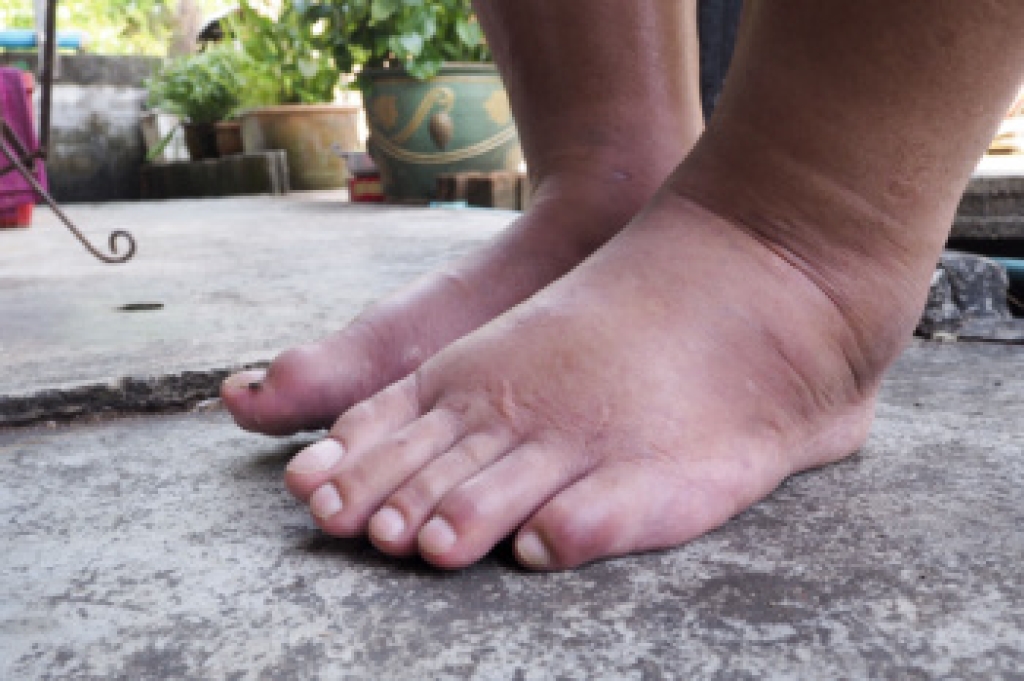
Swollen ankles, also known as edema, occur when excess fluid builds up in the tissues of the lower legs and feet. This condition can develop gradually or suddenly and may affect one or both ankles. While mild swelling can result from long periods of standing or sitting, persistent or severe swelling may indicate an underlying health concern. Understanding the causes and symptoms is important for identifying when medical attention is needed.

Common symptoms of swollen ankles include visible puffiness, tight or stretched skin, and discomfort when walking or standing. In some cases, the skin may appear shiny or leave an indentation when pressed. Swelling may also be accompanied by warmth, redness, or pain, especially if infection is present. Because swelling can affect mobility and balance, it is important to monitor changes and seek evaluation if symptoms worsen or do not improve.


Several conditions can contribute to swollen ankles. Kidney problems can lead to fluid retention because the body is unable to properly regulate fluid balance. Infections may cause localized swelling due to inflammation and increased blood flow to the affected area. Pregnancy is another common cause, as increased fluid volume and pressure from the growing uterus can affect circulation in the lower extremities. Risk factors include prolonged standing, obesity, and certain chronic medical conditions. Poor circulation and some medications may also increase the risk.


Recognizing the underlying cause of ankle swelling is essential for effective treatment and prevention. Early evaluation by a podiatrist can help identify whether the swelling is related to lifestyle factors or a more serious medical issue. Addressing symptoms promptly can improve comfort and reduce complications. If you have swollen feet or ankles, it is suggested that you consult a podiatrist who can determine what the cause is and offer effective relief and management solutions.

Swollen feet can be a sign of an underlying condition. If you have any concerns, contact Dr. Robbi Young of Grand Haven Foot & Ankle. Our doctor can provide the care you need to keep you pain-free and on your feet.

Swollen feet are a common ailment among pregnant women and people who stand or sit for extended periods. Aging may increase the possibility of swollen feet and patients who are obese often notice when their feet are swelling too. There may be medical reasons why swollen feet occur:

  • Phlebitis - A condition that causes the veins to become inflamed and can also cause leg pain.
  • Liver disease - This may lead to low blood levels of albumin which is a protein. This can cause fluid in the blood to pass into the tissues and several areas of the body can become swollen.
  • Heart failure - When the heart doesn’t pump properly the blood that is normally pumped back to the heart can pool in the veins of the legs causing swollen feet.
  • Kidney disease - One of the main functions of the kidneys is releasing excess fluid in the body. This type of condition can make it difficult for the kidneys to function properly, and as a result the feet may become swollen.
  • Deep-vein thrombosis (DVT)- This is a serious condition where blood clots form in the veins of the legs. They can block the return of blood from the legs to the heart which may cause the feet to swell. It is important to be treated by a podiatrist if this condition is present.

Swollen feet can also be caused by bone and tendon conditions, including fractures, arthritis, and tendinitis. Additionally, there may be skin and toenail conditions and an infection may cause the feet to swell. Patients who take medicine to treat high blood pressure may be prone to getting swollen feet. 

Many patients elevate their feet to help relieve the swelling and this is generally a temporary remedy. When a podiatrist is consulted the reason behind the swelling can be uncovered and subsequently treated.

If you have any questions please contact our office located in Grand Haven, MI . We offer the newest diagnostic and treatment technologies for all your foot and ankle needs.

Read more about Swelling of the Feet
Connect with us