(616) 846-3400
Fax: (616) 846-3406


Review Us
Follow Us
Like Us

Blog

Common Newborn Foot Deformities Explained

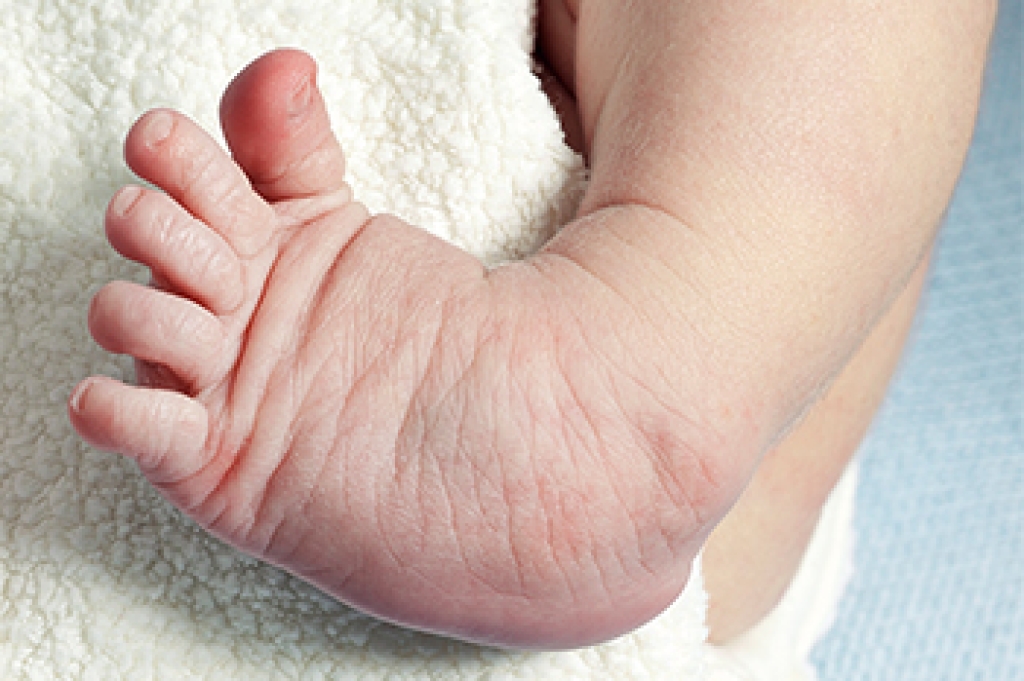
Newborns may have foot deformities that can affect growth and mobility if not addressed early. Metatarsus adductus is a condition where the front of the foot turns inward, often caused by the baby’s position in the womb, leading to visible curvature. Calcaneovalgus occurs when the foot points upward and outward due to intrauterine positioning, causing stiffness and difficulty with normal foot placement. Additionally, clubfoot causes the feet to turn inward. Symptoms of these conditions may include abnormal foot shape, limited flexibility, or uneven wear as a child begins to walk. A podiatrist can evaluate the severity, recommend stretching exercises, provide casting if necessary, and guide parents in treatment. If your newborn shows signs of a foot deformity, it is suggested that you include a podiatrist on your healthcare team who can provide effective management solutions.

Congenital foot problems require immediate attention to avoid future complications. If you have any concerns, contact Dr. Robbi Young of Grand Haven Foot & Ankle. Our doctor can provide the care you need to keep you pain-free and on your feet.

Congenital foot problems are deformities affecting the feet, toes, and/or ankles that children are born with. Some of these conditions have a genetic cause while others just happen. Some specific foot ailments that children may be born with include clubfeet, polydactyly/macrodactyly, and cleft foot. There are several other foot anomalies that can occur congenitally. What all of these conditions have in common is that a child may experience difficulty walking or performing everyday activities, as well as trouble finding footwear that fits their foot deformity. Some of these conditions are more serious than others. Consulting with a podiatrist as early as possible will help in properly diagnosing a child’s foot condition while getting the necessary treatment underway.

What are Causes of Congenital Foot Problem?

A congenital foot problem is one that happens to a child at birth. These conditions can be caused by a genetic predisposition, developmental or positional abnormalities during gestation, or with no known cause.

What are Symptoms of Congenital Foot Problems?

Symptoms vary by the congenital condition. Symptoms may consist of the following:

  • Clubfoot, where tendons are shortened, bones are shaped differently, and the Achilles tendon is tight, causing the foot to point in and down. It is also possible for the soles of the feet to face each other.
  • Polydactyly, which usually consists of a nubbin or small lump of tissue without a bone, a toe that is partially formed but has no joints, or an extra toe.
  • Vertical talus, where the talus bone forms in the wrong position causing other bones in the foot to line up improperly, the front of the foot to point up, and the bottom of the foot to stiffen, with no arch, and to curve out.
  • Tarsal coalition, when there is an abnormal connection of two or more bones in the foot leading to severe, rigid flatfoot.
  • Cleft foot, where there are missing toes, a V-shaped cleft, and other anatomical differences.
  • Macrodactyly, when the toes are abnormally large due to overgrowth of the underlying bone or soft tissue.

Treatment and Prevention

While there is nothing one can do to prevent congenital foot problems, raising awareness and receiving neonatal screenings are important. Early detection by taking your child to a podiatrist leads to the best outcome possible.

If you have any questions, please feel free to contact our office located in Grand Haven, MI . We offer the newest diagnostic and treatment technologies for all your foot care needs.
Read more about Congenital Foot Problems

Risks and Causes of Swollen Feet and Ankles

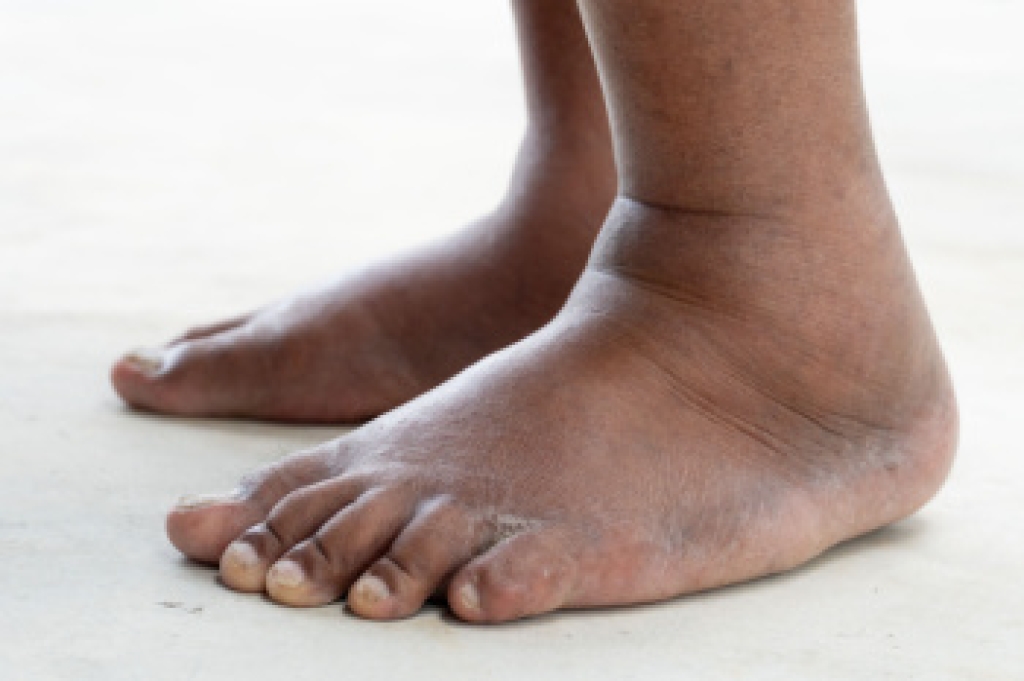
Swelling in the feet and ankles, known as peripheral edema, develops when fluid collects in the soft tissues of the lower limbs. This is often the result of gravity, which pulls fluid downward, making the feet and ankles more prone to noticeable swelling. Common causes of swollen feet and ankles include standing or sitting for long periods and carrying excess body weight, which places added pressure on circulation. Injuries or infections involving the foot or ankle often result in localized swelling due to increased blood flow. In some cases, more serious conditions like venous insufficiency, lymphedema, or a blood clot may impair blood flow and lead to persistent swelling. Hormonal changes, as well as issues with the liver, kidneys, or heart, can also contribute. A podiatrist can help determine the source of the swelling through examination and testing. If swollen feet and ankles are affecting your daily activities, it is suggested that you make an appointment with a podiatrist for an exam, diagnosis, and appropriate treatment.

Swollen feet can be a sign of an underlying condition. If you have any concerns, contact Dr. Robbi Young of Grand Haven Foot & Ankle. Our doctor can provide the care you need to keep you pain-free and on your feet.

Swollen feet are a common ailment among pregnant women and people who stand or sit for extended periods. Aging may increase the possibility of swollen feet and patients who are obese often notice when their feet are swelling too. There may be medical reasons why swollen feet occur:

  • Phlebitis - A condition that causes the veins to become inflamed and can also cause leg pain.
  • Liver disease - This may lead to low blood levels of albumin which is a protein. This can cause fluid in the blood to pass into the tissues and several areas of the body can become swollen.
  • Heart failure - When the heart doesn’t pump properly the blood that is normally pumped back to the heart can pool in the veins of the legs causing swollen feet.
  • Kidney disease - One of the main functions of the kidneys is releasing excess fluid in the body. This type of condition can make it difficult for the kidneys to function properly, and as a result the feet may become swollen.
  • Deep-vein thrombosis (DVT)- This is a serious condition where blood clots form in the veins of the legs. They can block the return of blood from the legs to the heart which may cause the feet to swell. It is important to be treated by a podiatrist if this condition is present.

Swollen feet can also be caused by bone and tendon conditions, including fractures, arthritis, and tendinitis. Additionally, there may be skin and toenail conditions and an infection may cause the feet to swell. Patients who take medicine to treat high blood pressure may be prone to getting swollen feet. 

Many patients elevate their feet to help relieve the swelling and this is generally a temporary remedy. When a podiatrist is consulted the reason behind the swelling can be uncovered and subsequently treated.

If you have any questions please contact our office located in Grand Haven, MI . We offer the newest diagnostic and treatment technologies for all your foot and ankle needs.

Read more about Swelling of the Feet

Living With Bunions

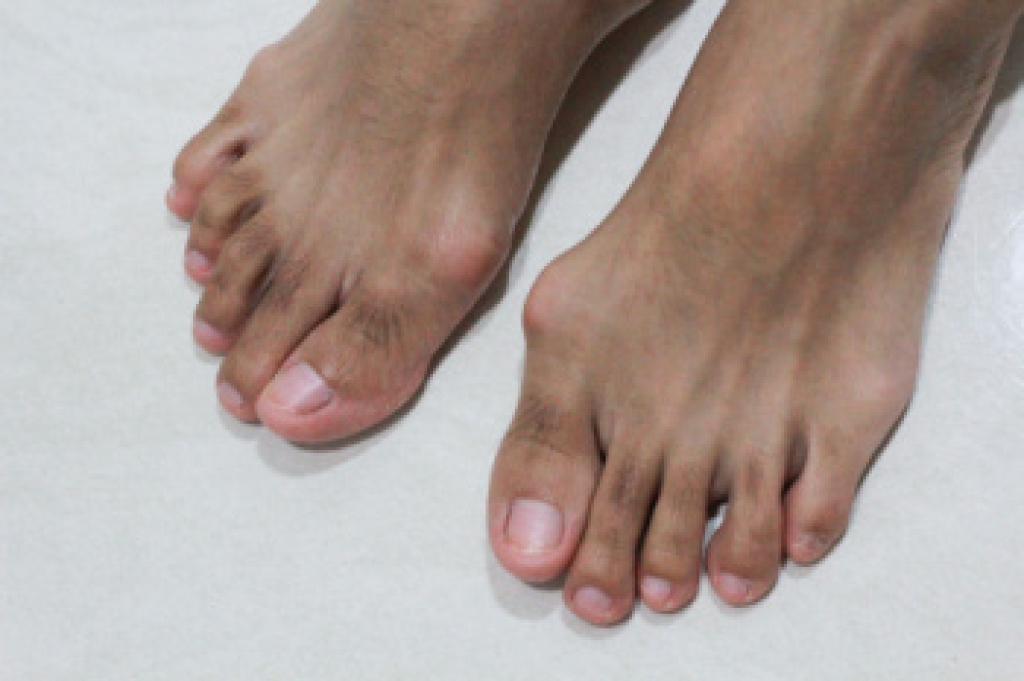
A bunion is a bony bump that forms at the base of the big toe when the joint shifts out of alignment. Over time, the top of the big toe leans toward the second toe, creating pressure and pain that can interfere with daily activities. Bunions often become irritated by shoes, leading to redness, swelling, and soreness along the side of the foot. Some people also notice thickened skin or corns where the toes rub together. The causes are often a mix of inherited foot structure, years of pressure from footwear, and conditions such as arthritis. While wide shoes and padding may ease discomfort, they do not stop the bunion from progressing. Severe cases may require surgery to correct the joint and restore function. If you are experiencing ongoing pain from a bunion, it is suggested that you see a podiatrist for evaluation and appropriate treatment.

If you are suffering from bunions, contact Dr. Robbi Young of Grand Haven Foot & Ankle. Our doctor can provide the care you need to keep you pain-free and on your feet.

What Is a Bunion?

A bunion is formed of swollen tissue or an enlargement of boney growth, usually located at the base joint of the toe that connects to the foot. The swelling occurs due to the bones in the big toe shifting inward, which impacts the other toes of the foot. This causes the area around the base of the big toe to become inflamed and painful.

Why Do Bunions Form?

Genetics – Susceptibility to bunions are often hereditary

Stress on the feet – Poorly fitted and uncomfortable footwear that places stress on feet, such as heels, can worsen existing bunions

How Are Bunions Diagnosed?

Podiatrists often perform two tests – blood tests and x-rays – when trying to diagnose bunions, especially in the early stages of development. Blood tests help determine if the foot pain is being caused by something else, such as arthritis, while x-rays provide a clear picture of your bone structure to your provider.

How Are Bunions Treated?

  • Refrain from wearing heels or similar shoes that cause discomfort
  • Select wider shoes that can provide more comfort and reduce pain
  • Anti-inflammatory and pain management drugs
  • Orthotics or foot inserts
  • Surgery

If you have any questions, please feel free to contact our office located in Grand Haven, MI . We offer the newest diagnostic and treatment technologies for all your foot care needs.

Read more about Bunions

Wounds That Don't Heal Need to Be Checked

Your feet are covered most of the day. If you're diabetic, periodic screening is important for good health. Numbness is often a sign of diabetic foot and can mask a sore or wound.

Understanding Why Children Limp

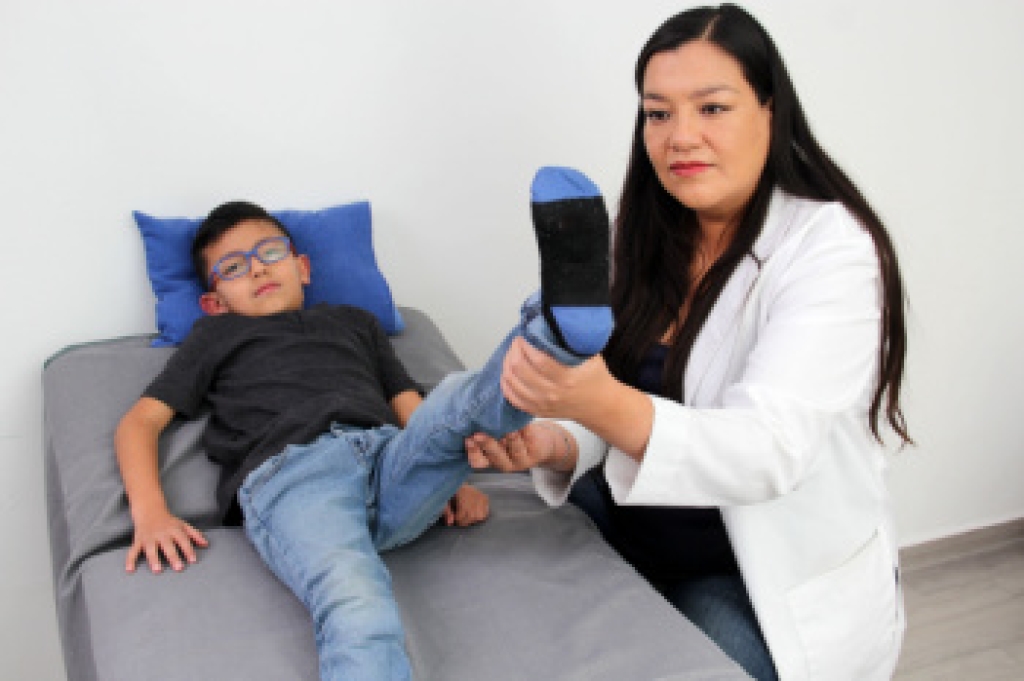
When a child begins to limp, it can be concerning for parents and caregivers. Limping may arise from something minor, such as a bruise, blister, or small cut on the foot. Sprains or strains from play or sports are also common and may lead to temporary difficulty walking. Infections like cellulitis or abscesses can cause swelling and pain, making it hard for a child to put weight on the affected foot or ankle. Structural issues, such as flat feet or leg length differences, may create an uneven gait. More serious causes include fractures or inflammatory conditions that require prompt medical attention. Because limping in children has many possible explanations, professional evaluation is important to identify the true source. If your child develops a limp that does not improve quickly, it is suggested that you see a podiatrist for proper diagnosis and appropriate treatment.

Making sure that your children maintain good foot health is very important as they grow. If you have any questions, contact Dr. Robbi Young of Grand Haven Foot & Ankle. Our doctor can provide the care you need to keep you pain-free and on your feet.

Keeping Children's Feet Healthy

Having healthy feet during childhood can help prevent medical problems later in life, namely in the back and legs. As children grow, their feet require different types of care. Here are some things to consider...

Although babies do not walk yet, it is still very important to take care of their feet.

Avoid putting tight shoes or socks on his or her feet.

Allow the baby to stretch and kick his or her feet to feel comfortable.

As a toddler, kids are now on the move and begin to develop differently. At this age, toddlers are getting a feel for walking, so don’t be alarmed if your toddler is unsteady or ‘walks funny’. 

As your child gets older, it is important to teach them how to take care of their feet.

Show them proper hygiene to prevent infections such as fungus.

Be watchful for any pain or injury.

Have all injuries checked by a doctor as soon as possible.

Comfortable, protective shoes should always be worn, especially at play.

If you have any questions, please feel free to contact our office located in Grand Haven, MI . We offer the newest diagnostic and treatment technologies for all your foot care needs.
Read more about What to Do to Keep Your Child’s Feet Healthy
Connect with us