(616) 846-3400
Fax: (616) 846-3406


Review Us
Follow Us
Like Us

Blog

Gentle Solutions for Corns and Calluses

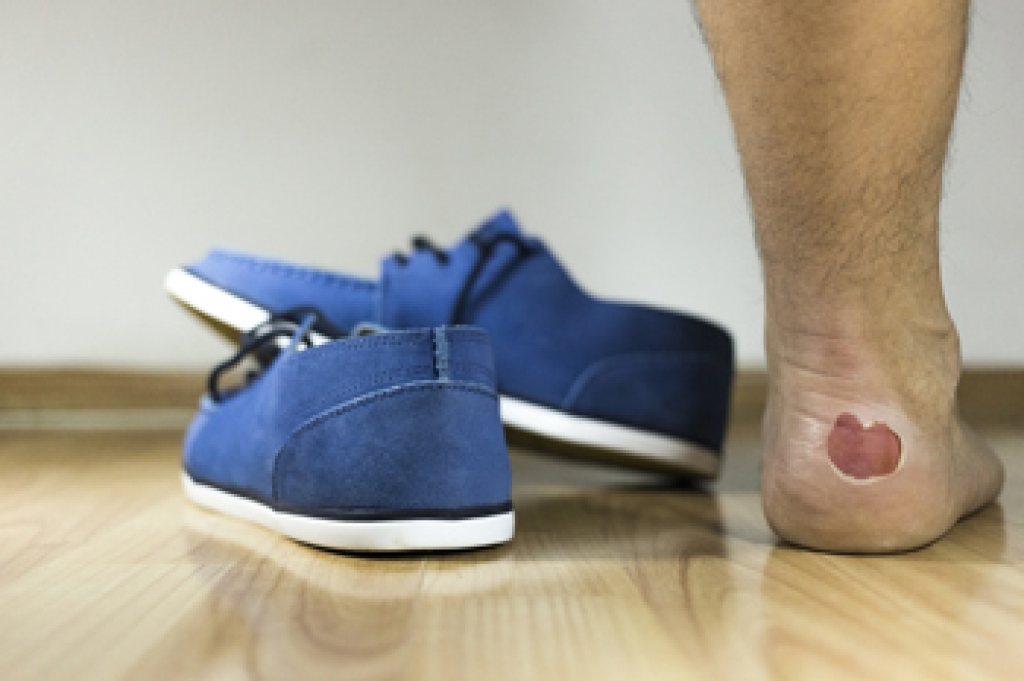
Corns and calluses form when the skin responds to repeated pressure or friction by building extra layers for protection. This process involves excessive growth of the outer skin layer, which can become thick, hard, and uncomfortable over time. Corns tend to be smaller and more focused, while calluses usually spread across weight-bearing areas of the foot. Treatment begins by identifying and reducing the source of pressure. Wearing proper footwear, cushioning pads, and custom orthotics can help redistribute force and prevent recurrence. Professional trimming of thickened skin provides relief and lowers the risk of cracking or infection. Moisturizing care may also improve skin flexibility. Self-treatment with sharp tools or harsh chemicals is discouraged. If your corns or calluses become painful, return often, or interfere with walking, it is suggested that you see a podiatrist for a proper diagnosis and appropriate treatment.

Corns can make walking very painful and should be treated immediately. If you have questions regarding your feet and ankles, contact Dr. Robbi Young of Grand Haven Foot & Ankle. Our doctor will treat your foot and ankle needs.

Corns: What Are They? And How Do You Get Rid of Them?
Corns are thickened areas on the skin that can become painful. They are caused by excessive pressure and friction on the skin. Corns press into the deeper layers of the skin and are usually round in shape.

Ways to Prevent Corns
There are many ways to get rid of painful corns such as:

  • Wearing properly fitting shoes that have been measured by a professional
  • Wearing shoes that are not sharply pointed or have high heels
  • Wearing only shoes that offer support

Treating Corns

Although most corns slowly disappear when the friction or pressure stops, this isn’t always the case. Consult with your podiatrist to determine the best treatment option for your case of corns.

If you have any questions, please feel free to contact our office located in Grand Haven, MI . We offer the newest diagnostic and treatment technologies for all your foot care needs.

Read more about Corns and Calluses

Recognizing and Treating Hammertoe

Gradual changes in toe position can be an early sign of a hammertoe, where one or more toes bend at the middle joint and no longer rest flat. Common signs include toe stiffness, irritation from footwear, and corns or calluses. As the hammertoe progresses, the toe may become rigid, limiting movement and causing more pain. Muscle imbalance, nerve conditions, injury, and long-term pressure on the toes can all contribute to this toe deformity. A podiatrist can evaluate toe alignment, joint flexibility, and foot structure to confirm the diagnosis and determine treatment. Some cases of hammertoe may require surgery to correct alignment and relieve pain. If you notice changes to the structure of your toes, it is suggested that you make an appointment with a podiatrist for an exam, diagnosis, and treatment.

Hammertoe

Hammertoes can be a painful condition to live with. For more information, contact Dr. Robbi Young from Grand Haven Foot & Ankle. Our doctor will answer any of your foot- and ankle-related questions.

Hammertoe is a foot deformity that affects the joints of the second, third, fourth, or fifth toes of your feet. It is a painful foot condition in which these toes curl and arch up, which can often lead to pain when wearing footwear.

Symptoms

  • Pain in the affected toes
  • Development of corns or calluses due to friction
  • Inflammation
  • Redness
  • Contracture of the toes

Causes

Genetics – People who are genetically predisposed to hammertoe are often more susceptible

Arthritis – Because arthritis affects the joints in your toes, further deformities stemming from arthritis can occur

Trauma – Direct trauma to the toes could potentially lead to hammertoe

Ill-fitting shoes – Undue pressure on the front of the toes from ill-fitting shoes can potentially lead to the development of hammertoe

Treatment

Orthotics – Custom made inserts can be used to help relieve pressure placed on the toes and therefore relieve some of the pain associated with it

Medications – Oral medications such as anti-inflammatories or NSAIDs could be used to treat the pain and inflammation hammertoes causes. Injections of corticosteroids are also sometimes used

Surgery – In more severe cases where the hammertoes have become more rigid, foot surgery is a potential option

If you have any questions, please feel free to contact our office located in Grand Haven, MI . We offer the newest diagnostic and treatment technologies for all your foot care needs.
Read more about What Are Hammertoes?

Factors That Lead to Ingrown Toenails

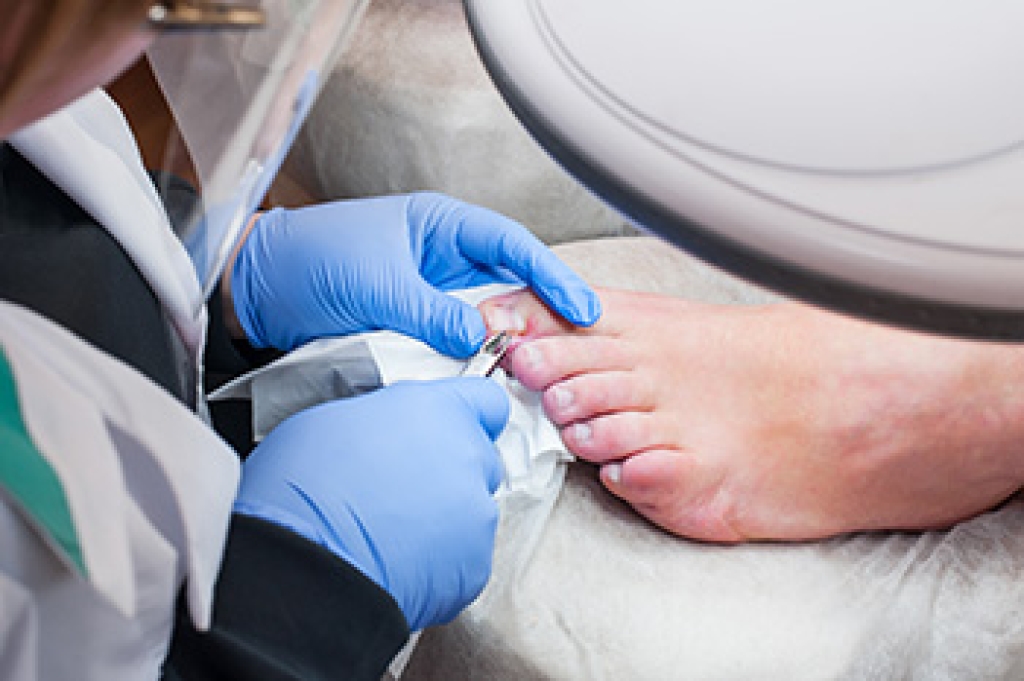
Ingrown toenails develop when several risk factors come together over time. Improper trimming is a common cause, especially when nails are cut too short or rounded at the corners. Wearing tight shoes or with narrow toe boxes place repeated pressure on the nail edges and surrounding skin. Repetitive activities such as running or long periods of standing can worsen this pressure. Toe injuries, even minor ones, may change how the nail grows. Some people have naturally curved or thick nails that are more likely to press into the skin. Excessive sweating softens the skin, making it easier for the nail to break through. Poor foot hygiene and limited vision or flexibility can also contribute by making nail care difficult. Early awareness matters because inflammation and infection can develop quickly. If toenail pain, redness, or swelling appears, it is suggested that you see a podiatrist for an evaluation and appropriate treatment.

Ingrown toenails may initially present themselves as a minor discomfort, but they may progress into an infection in the skin without proper treatment. For more information about ingrown toenails, contact Dr. Robbi Young of Grand Haven Foot & Ankle. Our doctor can provide the care you need to keep you pain-free and on your feet.

Ingrown Toenails

Ingrown toenails are caused when the corner or side of a toenail grows into the soft flesh surrounding it. They often result in redness, swelling, pain, and in some cases, infection. This condition typically affects the big toe and may recur if it is not treated properly.

Causes

  • Improper toenail trimming
  • Genetics
  • Improper shoe fitting
  • Injury from pedicures or nail picking
  • Abnormal gait
  • Poor hygiene

You are more likely to develop an ingrown toenail if you are obese, have diabetes, arthritis, or have any fungal infection in your nails. Additionally, people who have foot or toe deformities are at a higher risk of developing an ingrown toenail.

Symptoms

Some symptoms of ingrown toenails are redness, swelling, and pain. In rare cases, there may be a yellowish drainage coming from the nail.

Treatment

Ignoring an ingrown toenail can have serious complications. Infections of the nail border can progress to a deeper soft-tissue infection, which can then turn into a bone infection. You should always speak with your podiatrist if you suspect you have an ingrown toenail, especially if you have diabetes or poor circulation.

If you have any questions, please feel free to contact our office located in Grand Haven, MI . We offer the newest diagnostic and treatment technologies for all your foot care needs.
Read more about Ingrown Toenail Care

Understanding the Structure of the Foot

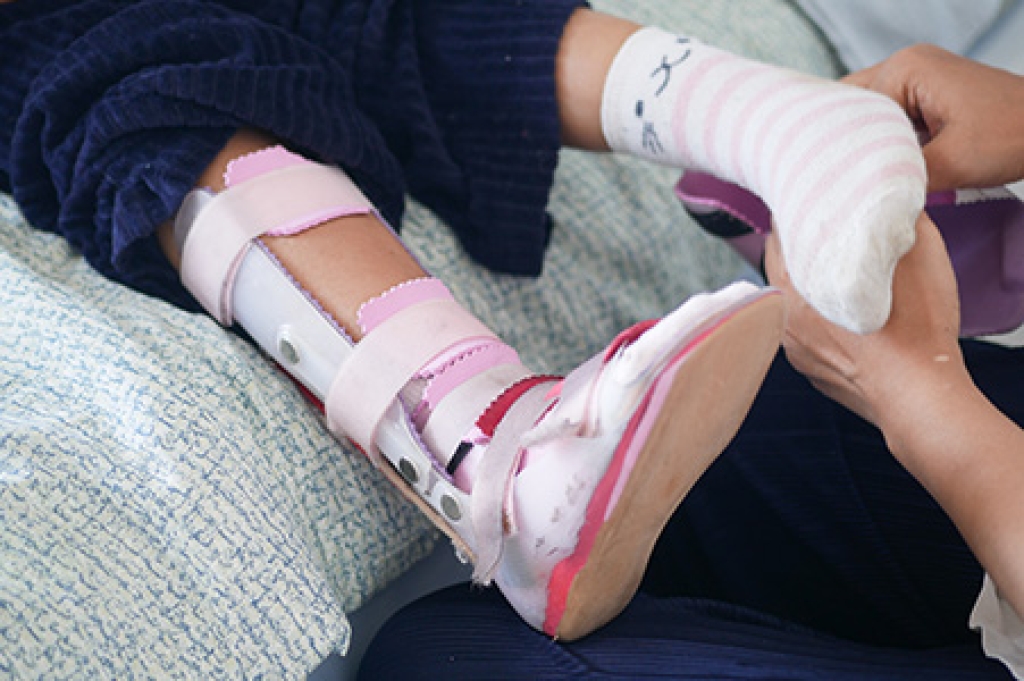
The foot is a complex structure made up of bones, joints, muscles, tendons, and ligaments that work together to support the body. This intricate design allows the foot to be strong enough for weight-bearing while remaining flexible for walking, running, and balance. The joints of the foot provide movement and shock absorption, while tendons and ligaments stabilize the foot and guide motion. Muscles help control posture and adapt to different surfaces during daily activities. Maintaining a balance between strength and flexibility is essential for proper foot function and injury prevention. When this balance is disrupted, pain, fatigue and instability may occur. A podiatrist can help by evaluating foot structure alignment and movement patterns. Care may include treatment for pain, injuries, or deformities, as well as recommendations for supportive footwear or custom orthotics. If you have foot pain, it is suggested that you consult a podiatrist who can accurately diagnose and treat various foot and ankle conditions.

If you have any concerns about your feet, contact Dr. Robbi Young from Grand Haven Foot & Ankle. Our doctor can provide the care you need to keep you pain-free and on your feet.

Biomechanics in Podiatry

Podiatric biomechanics is a particular sector of specialty podiatry with licensed practitioners who are trained to diagnose and treat conditions affecting the foot, ankle and lower leg. Biomechanics deals with the forces that act against the body, causing an interference with the biological structures. It focuses on the movement of the ankle, the foot and the forces that interact with them.

A History of Biomechanics

  • Biomechanics dates back to the BC era in Egypt where evidence of professional foot care has been recorded.
  • In 1974, biomechanics gained a higher profile from the studies of Merton Root, who claimed that by changing or controlling the forces between the ankle and the foot, corrections or conditions could be implemented to gain strength and coordination in the area.

Modern technological improvements are based on past theories and therapeutic processes that provide a better understanding of podiatric concepts for biomechanics. Computers can provide accurate information about the forces and patterns of the feet and lower legs.

Understanding biomechanics of the feet can help improve and eliminate pain, stopping further stress to the foot.

If you have any questions please feel free to contact our office located in Grand Haven, MI . We offer the newest diagnostic and treatment technologies for all your foot and ankle needs.

Read more about The Importance of Biomechanics in Podiatry
Connect with us