(616) 846-3400
Fax: (616) 846-3406


Leave Google Review for Grand Haven Foot & Ankle
Grand Haven Foot & Ankle on Twitter
Grand Haven Foot & Ankle on Facebook

Blog

Ingrown Toenail Treatment and Symptoms

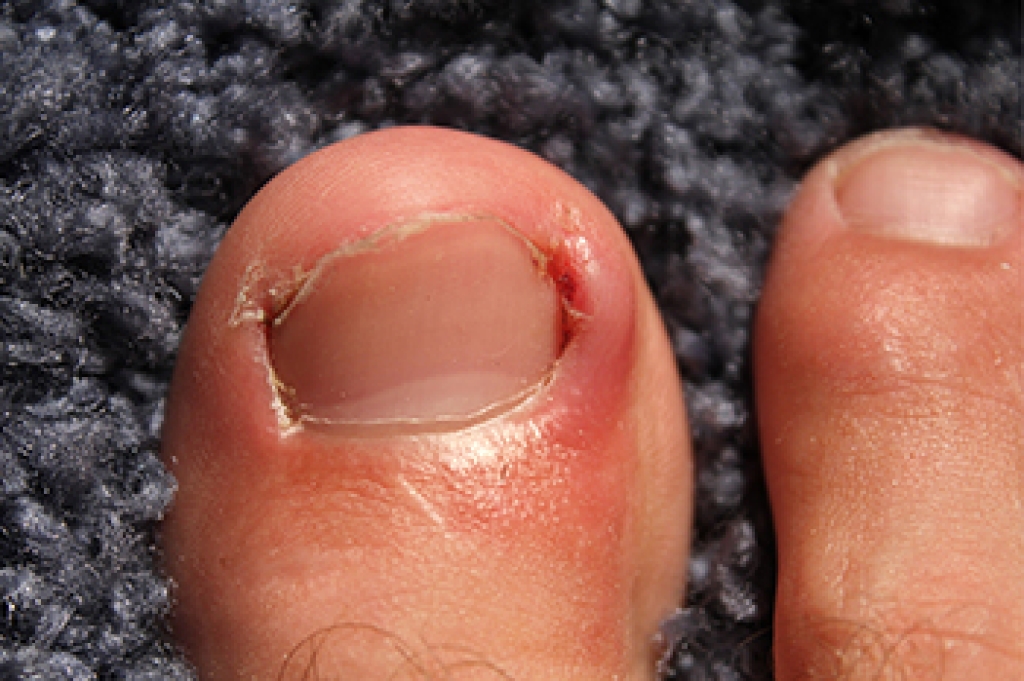
An ingrown toenail occurs when the edge of a toenail grows into the surrounding skin instead of over it. This condition most often affects the big toe and can become increasingly painful if left untreated. Common symptoms include redness, swelling, and tenderness along the edge of the nail. As the nail continues to press into the skin, the area may become inflamed and, in some cases, infected. Wearing shoes may become uncomfortable, and even simple activities like walking can cause significant pain. Several factors can contribute to ingrown toenails, including naturally curved nails, repeated pressure on the toes, and injuries to the toenail. Because symptoms often worsen, a professional evaluation is important to determine the most appropriate treatment and prevent complications.


Persistent irritation from an ingrown toenail can affect the surrounding skin and make movement more difficult. If the condition progresses, swelling may increase and the skin surrounding the nail may become more sensitive. People with diabetes, poor circulation, or reduced feeling in their feet may face a greater risk of serious complications because small wounds can heal slower. A comprehensive podiatry examination helps determine the severity of the ingrown toenail while identifying signs of infection or other foot conditions that may require attention. Early diagnosis allows treatment to begin before pain and inflammation become more severe or interfere with normal activities.


Professional podiatry care focuses on relieving pain, reducing inflammation, and correcting the problem based on each patient's individual needs. Treatment plans are tailored to the severity of the condition and may help lower the risk of future recurrence. Regular podiatry visits also allow foot health to be monitored and concerns to be addressed before complications develop. If you have persistent toe pain, swelling, or symptoms of an ingrown toenail, it is suggested that you consult a podiatrist for an evaluation and appropriate treatment options.

Ingrown toenails may initially present themselves as a minor discomfort, but they may progress into an infection in the skin without proper treatment. For more information about ingrown toenails, contact Dr. Robbi Young of Grand Haven Foot & Ankle. Our doctor can provide the care you need to keep you pain-free and on your feet.

Ingrown Toenails

Ingrown toenails are caused when the corner or side of a toenail grows into the soft flesh surrounding it. They often result in redness, swelling, pain, and in some cases, infection. This condition typically affects the big toe and may recur if it is not treated properly.

Causes

  • Improper toenail trimming
  • Genetics
  • Improper shoe fitting
  • Injury from pedicures or nail picking
  • Abnormal gait
  • Poor hygiene

You are more likely to develop an ingrown toenail if you are obese, have diabetes, arthritis, or have any fungal infection in your nails. Additionally, people who have foot or toe deformities are at a higher risk of developing an ingrown toenail.

Symptoms

Some symptoms of ingrown toenails are redness, swelling, and pain. In rare cases, there may be a yellowish drainage coming from the nail.

Treatment

Ignoring an ingrown toenail can have serious complications. Infections of the nail border can progress to a deeper soft-tissue infection, which can then turn into a bone infection. You should always speak with your podiatrist if you suspect you have an ingrown toenail, especially if you have diabetes or poor circulation.

If you have any questions, please feel free to contact our office located in Grand Haven, MI . We offer the newest diagnostic and treatment technologies for all your foot care needs.


Read more about Ingrown Toenails

Common Causes of Falls in Seniors and How to Reduce Risk

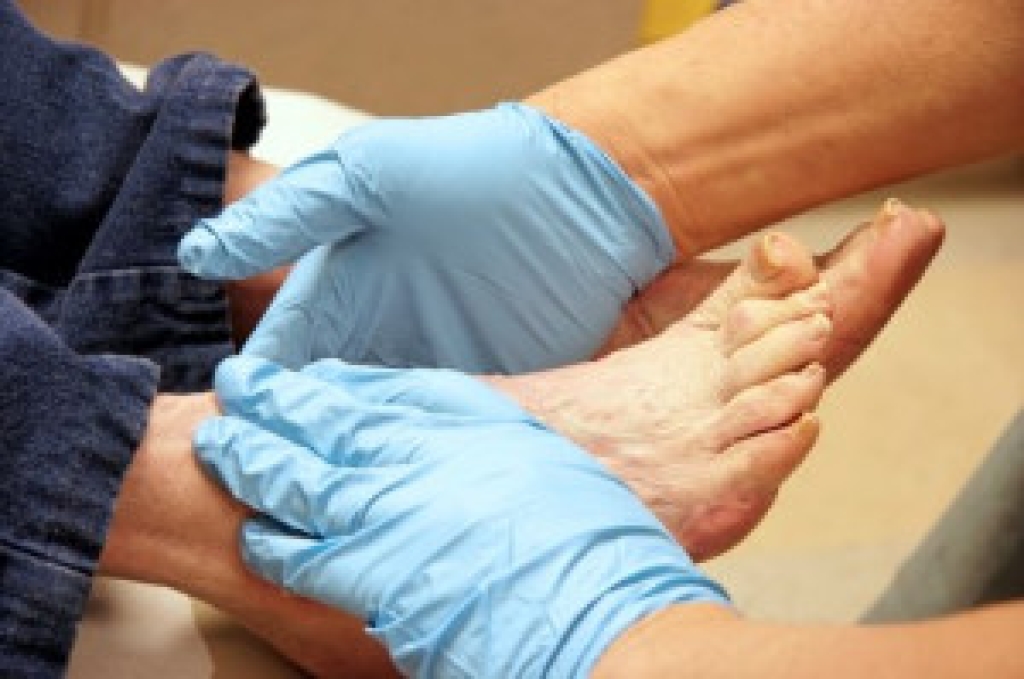
Falls in elderly adults are a leading cause of injury and can significantly affect independence and quality of life. A fall is defined as an unintentional loss of balance that results in landing on the ground. Common causes include poor vision, medication side effects, home safety hazards, and lack of physical activity. These factors can interfere with balance, coordination, and awareness, increasing the likelihood of a fall. Understanding these causes helps individuals and caregivers take steps to improve safety.

Symptoms that may signal a higher risk of falling include unsteady walking, dizziness, slow reaction time, and muscle weakness. Poor vision can make it difficult to detect obstacles, while certain medications may cause drowsiness or reduced alertness. Risk factors also include chronic health conditions, reduced flexibility, and limited strength. When these issues combine, they can make daily movements more challenging and increase the chance of losing balance.


Falls can result in several foot and ankle conditions, including sprains, fractures, bruising, and joint injuries. These conditions may cause pain, swelling, and difficulty walking, which can limit mobility and slow recovery. Home safety hazards such as loose rugs, poor lighting, and cluttered pathways can increase the risk of these injuries. Preventive measures include improving home safety, staying physically active, and addressing vision concerns. Regular exercise can help build strength and improve balance, which supports safer movement.


Reducing fall risk requires awareness, preparation, and consistent habits. Making simple changes at home and focusing on physical health can help prevent injuries and maintain independence. Understanding symptoms and risk factors allows for early action and better outcomes. If you have foot or ankle pain from falling, it is suggested that you consult a podiatrist for effective treatment solutions and additional guidance on fall prevention strategies.

Preventing falls among the elderly is very important. If you are older and have fallen or fear that you are prone to falling, consult with Dr. Robbi Young from Grand Haven Foot & Ankle. Our doctor will assess your condition and provide you with quality advice and care.

Every 11 seconds, an elderly American is being treated in an emergency room for a fall related injury. Falls are the leading cause of head and hip injuries for those 65 and older. Due to decreases in strength, balance, senses, and lack of awareness, elderly persons are very susceptible to falling. Thankfully, there are a number of things older persons can do to prevent falls.

How to Prevent Falls

Some effective methods that older persons can do to prevent falls include:

  • Enrolling in strength and balance exercise program to increase balance and strength
  • Periodically having your sight and hearing checked
  • Discuss any medications you have with a doctor to see if it increases the risk of falling
  • Clearing the house of falling hazards and installing devices like grab bars and railings
  • Utilizing a walker or cane
  • Wearing shoes that provide good support and cushioning
  • Talking to family members about falling and increasing awareness

Falling can be a traumatic and embarrassing experience for elderly persons; this can make them less willing to leave the house, and less willing to talk to someone about their fears of falling. Doing such things, however, will increase the likelihood of tripping or losing one’s balance. Knowing the causes of falling and how to prevent them is the best way to mitigate the risk of serious injury.  

If you have any questions, please feel free to contact our office located in Grand Haven, MI . We offer the newest diagnostic and treatment technologies for all your foot care needs.
Read more about Falls Prevention

Wounds That Don't Heal Need to Be Checked

Your feet are covered most of the day. If you're diabetic, periodic screening is important for good health. Numbness is often a sign of diabetic foot and can mask a sore or wound.

Diabetes and Foot Health

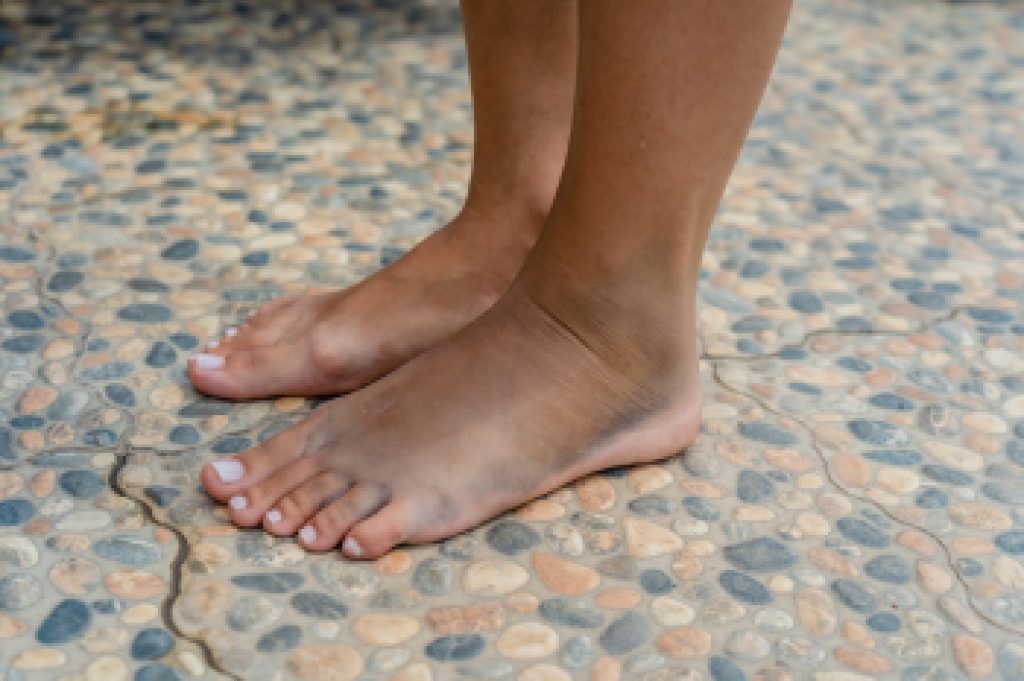
Diabetes is a chronic condition that affects how the body processes blood sugar and can impact many areas of health, including the feet. Diabetic foot refers to foot problems that develop as a result of diabetes-related changes in the body. Persistently high blood sugar levels can contribute to nerve damage, known as diabetic neuropathy and reduced circulation. These complications make it harder for the feet to heal and increase the risk of infections, wounds, and other serious concerns. Proper diabetic foot care is essential for protecting foot health and preventing complications.

Symptoms of diabetic foot problems can vary depending on the severity of nerve and circulation changes. Common symptoms include numbness, tingling, and burning sensations. A reduced ability to feel pain or temperature changes also occurs. Some individuals may develop dry skin, sores, swelling, or slow-healing wounds. Because nerve damage can reduce sensation, small cuts or blisters may go unnoticed and become more serious. Fungal foot infections, including athlete’s foot and toenail fungus, may also occur more easily due to changes in immune function and circulation.


Risk factors that increase the likelihood of developing diabetic foot complications include poor blood sugar control, long-term diabetes, and smoking. Obesity and reduced circulation also can contribute to increased foot problems. Wearing improper footwear, failing to inspect the feet regularly, and having a history of foot ulcers raise the risk. Diabetes can affect the body’s ability to fight infection and repair damaged tissue, making early attention to foot concerns especially important.


Protecting the feet in diabetic patients requires regular foot examinations, proper hygiene, and wearing supportive footwear. Ongoing management of blood sugar levels is also essential. A podiatrist can help monitor foot health, identify early warning signs, and provide treatment for infections, wounds, and other conditions related to diabetes. If diabetes is causing foot pain, it is suggested that you are under the care of a podiatrist who can help you to manage this serious condition.

Diabetic foot care is important in preventing foot ailments such as ulcers. If you are suffering from diabetes or have any other concerns about your feet, contact Dr. Robbi Young from Grand Haven Foot & Ankle. Our doctor can provide the care you need to keep you pain-free and on your feet.

Diabetic Foot Care

Diabetes affects millions of people every year. The condition can damage blood vessels in many parts of the body, especially the feet. Because of this, taking care of your feet is essential if you have diabetes, and having a podiatrist help monitor your foot health is highly recommended.

The Importance of Caring for Your Feet

  • Routinely inspect your feet for bruises or sores.
  • Wear socks that fit your feet comfortably.
  • Wear comfortable shoes that provide adequate support.

Patients with diabetes should have their doctor monitor their blood levels, as blood sugar levels play such a huge role in diabetic care. Monitoring these levels on a regular basis is highly advised.

It is always best to inform your healthcare professional of any concerns you may have regarding your feet, especially for diabetic patients. Early treatment and routine foot examinations are keys to maintaining proper health, especially because severe complications can arise if proper treatment is not applied.

If you have any questions, please feel free to contact our office located in Grand Haven, MI . We offer the newest diagnostic and treatment technologies for all your foot care needs.
Read more about Diabetic Foot Conditions

Causes and Symptoms of Foot Bruises

Foot bruises are common injuries that occur when small blood vessels beneath the skin break due to direct impact or repeated stress. This condition, also known as a contusion, can affect different parts of the foot including the toes, heels, and arches. Foot bruises may develop from everyday activities, such as walking long distances, participating in sports, or wearing poorly fitted shoes. Understanding how bruises form helps individuals recognize early signs and take proper action to protect foot health and mobility.

Symptoms of a foot bruise often include discoloration, swelling, and localized pain. The affected area may appear red, purple, or blue depending on the severity of the injury. Many people experience tenderness when pressure is applied, along with limited range of motion in the foot or toes. Weakness and discomfort can make walking difficult, especially if the heel or forefoot is involved. These symptoms may worsen if the injury is not given proper time to heal or if additional stress is placed on the area.


Several causes and risk factors contribute to foot bruises. Direct trauma such as dropping a heavy object on the foot or sudden impact during sports is a common cause. Repetitive stress from running or jumping can also lead to bruising over time. Wearing tight or unsupportive footwear increases pressure on certain areas, making bruises more likely. Individuals with active lifestyles or occupations that involve prolonged standing may face a higher risk of developing foot contusions or minor sprains.


Preventing foot bruises involves wearing supportive shoes, avoiding repetitive strain, and allowing time for recovery after physical activity. Early care such as rest and reducing pressure can help manage symptoms and promote healing. If foot bruises persist or worsen, it is suggested that you consult a podiatrist for effective relief and treatment solutions. 

Foot Pain

Foot pain can be extremely painful and debilitating. If you have a foot pain, consult with Dr. Robbi Young from Grand Haven Foot & Ankle. Our doctor will assess your condition and provide you with quality foot and ankle treatment.

Causes

Foot pain is a very broad condition that could be caused by one or more ailments. The most common include:

  • Bunions
  • Hammertoes
  • Plantar Fasciitis
  • Bone Spurs
  • Corns
  • Tarsal Tunnel Syndrome
  • Ingrown Toenails
  • Arthritis (such as Gout, Rheumatoid, and Osteoarthritis)
  • Flat Feet
  • Injury (from stress fractures, broken toe, foot, ankle, Achilles tendon ruptures, and sprains)
  • And more

Diagnosis

To figure out the cause of foot pain, podiatrists utilize several different methods. This can range from simple visual inspections and sensation tests to X-rays and MRI scans. Prior medical history, family medical history, and any recent physical traumatic events will all be taken into consideration for a proper diagnosis.

Treatment

Treatment depends upon the cause of the foot pain. Whether it is resting, staying off the foot, or having surgery; podiatrists have a number of treatment options available for foot pain.

If you have any questions, please feel free to contact our office located in Grand Haven, MI . We offer the newest diagnostic and treatment technologies for all your foot care needs.

Read more about Foot Pain
Connect with us