(616) 846-3400
Fax: (616) 846-3406


Review Us
Follow Us
Like Us

Blog

Dealing With a Dislocated Ankle

A dislocated ankle occurs when the bones of the joint move out of their normal position, usually the result of a traumatic injury. The ankle is a hinge joint that connects the lower leg to the foot and allows up-and-down motion during walking. It is supported by ligaments, or strong tissues that stabilize the joint. Dislocations often happen during falls, sports collisions, or motor-vehicle accidents. A dislocated ankle may also be linked to broken bones near the ankle. Symptoms include severe pain, swelling, bruising, visible deformity, numbness, and difficulty putting weight on the foot. If untreated, joint damage can lead to stiffness, instability, and long-term inflammation of a joint. A podiatrist can evaluate the injury and use imaging tests to determine whether the joint is dislocated. Then a treatment plan is developed to help restore proper alignment and movement. If you have severe ankle pain, it is suggested that you make an immediate appointment with a podiatrist for an exam, diagnosis, and treatment.

Ankle pain can have many different causes and the pain may potentially be serious. If you have ankle pain, consult with Dr. Robbi Young from Grand Haven Foot & Ankle. Our doctor will assess your condition and provide you with quality foot and ankle treatment.

Ankle pain is any condition that causes pain in the ankle. Due to the fact that the ankle consists of tendons, muscles, bones, and ligaments, ankle pain can come from a number of different conditions.

Causes

The most common causes of ankle pain include:

  • Types of arthritis (rheumatoid, osteoarthritis, and gout)
  • Ankle sprains
  • Broken ankles
  • Achilles tendinitis
  • Achilles tendon rupture
  • Stress fractures
  • Tarsal tunnel syndrome
  • Plantar fasciitis

Symptoms

Symptoms of ankle injury vary based upon the condition. Pain may include general pain and discomfort, swelling, aching, redness, bruising, burning or stabbing sensations, and/or loss of sensation.

Diagnosis

Due to the wide variety of potential causes of ankle pain, podiatrists will utilize a number of different methods to properly diagnose ankle pain. This can include asking for personal and family medical histories and of any recent injuries. Further diagnosis may include sensation tests, a physical examination, and potentially x-rays or other imaging tests.

Treatment

Just as the range of causes varies widely, so do treatments. Some more common treatments are rest, ice packs, keeping pressure off the foot, orthotics and braces, medication for inflammation and pain, and surgery.

If you have any questions please feel free to contact our office located in Grand Haven, MI . We offer the newest diagnostic tools and technology to treat your foot and ankle needs.


Read more about Ankle Pain

Diabetes Related Foot Problems

Diabetes is a chronic metabolic condition that affects how the body regulates blood glucose levels and can lead to several complications that impact foot health. Over time, diabetes may cause nerve-related damage known as neuropathy, which reduces sensation in the feet and makes it difficult to detect injuries. Skin-related changes , including dryness, cracking, and thickened calluses that increase pressure on certain areas of the foot, may also develop. Poor circulation and reduced healing ability may allow minor irritation to progress into more serious wounds. A podiatrist can help monitor foot health, safely manage calluses, evaluate circulation, and provide guidance on proper foot care. If you have diabetes and foot concerns arise, it is strongly suggested that you care under the care of a podiatrist who can help you to manage this serious condition.

Diabetic foot care is important in preventing foot ailments such as ulcers. If you are suffering from diabetes or have any other concerns about your feet, contact Dr. Robbi Young from Grand Haven Foot & Ankle. Our doctor can provide the care you need to keep you pain-free and on your feet.

Diabetic Foot Care

Diabetes affects millions of people every year. The condition can damage blood vessels in many parts of the body, especially the feet. Because of this, taking care of your feet is essential if you have diabetes, and having a podiatrist help monitor your foot health is highly recommended.

The Importance of Caring for Your Feet

  • Routinely inspect your feet for bruises or sores.
  • Wear socks that fit your feet comfortably.
  • Wear comfortable shoes that provide adequate support.

Patients with diabetes should have their doctor monitor their blood levels, as blood sugar levels play such a huge role in diabetic care. Monitoring these levels on a regular basis is highly advised.

It is always best to inform your healthcare professional of any concerns you may have regarding your feet, especially for diabetic patients. Early treatment and routine foot examinations are keys to maintaining proper health, especially because severe complications can arise if proper treatment is not applied.

If you have any questions, please feel free to contact our office located in Grand Haven, MI . We offer the newest diagnostic and treatment technologies for all your foot care needs.

Read more about Diabetic Foot Care

When Flat Feet Cause Pain in Children and Teens

Flat feet are typical in children and adolescents, but they do not always cause discomfort. In some young patients, however, the arch collapses more than expected during standing or walking. This excessive inward rolling, known as over-pronation, can place strain on muscles, ligaments, and growing bones. As activity increases, pain may develop in the arch, heel, or ankle. Active children involved in sports may notice fatigue, frequent tripping, or reduced endurance. Tight calf muscles and ligament-related laxity can worsen instability. In certain cases, an underlying structural condition may contribute to stiffness or limited motion. Early evaluation helps determine whether the flat-foot condition is flexible or rigid. Wearing supportive, well-fitting shoes and custom-made orthotics can improve alignment and reduce strain. Stretching exercises may also ease muscle tension. If your child has ongoing foot or ankle pain related to flat feet, it is suggested that you see a podiatrist for a proper diagnosis and effective relief and management techniques.

Flatfoot is a condition many people suffer from. If you have flat feet, contact Dr. Robbi Young from Grand Haven Foot & Ankle. Our doctor will treat your foot and ankle needs.

What Are Flat Feet?

Flatfoot is a condition in which the arch of the foot is depressed and the sole of the foot is almost completely in contact with the ground. About 20-30% of the population generally has flat feet because their arches never formed during growth.

Conditions & Problems:

Having flat feet makes it difficult to run or walk because of the stress placed on the ankles.

Alignment – The general alignment of your legs can be disrupted, because the ankles move inward which can cause major discomfort.

Knees – If you have complications with your knees, flat feet can be a contributor to arthritis in that area.  

Symptoms

  • Pain around the heel or arch area
  • Trouble standing on the tip toe
  • Swelling around the inside of the ankle
  • Flat look to one or both feet
  • Having your shoes feel uneven when worn

Treatment

If you are experiencing pain and stress on the foot you may weaken the posterior tibial tendon, which runs around the inside of the ankle. 

If you have any questions, please feel free to contact our office located in Grand Haven, MI . We offer the newest diagnostic and treatment technologies for all your foot care needs.

Read more about Flat Feet

Do Your Child's Feet Hurt?

Have your child's feet been examined lately? Healthy feet are happy feet. If your child is complaining of foot pain, it may be a sign of underlying problems.

Symptoms of Morton’s Neuroma

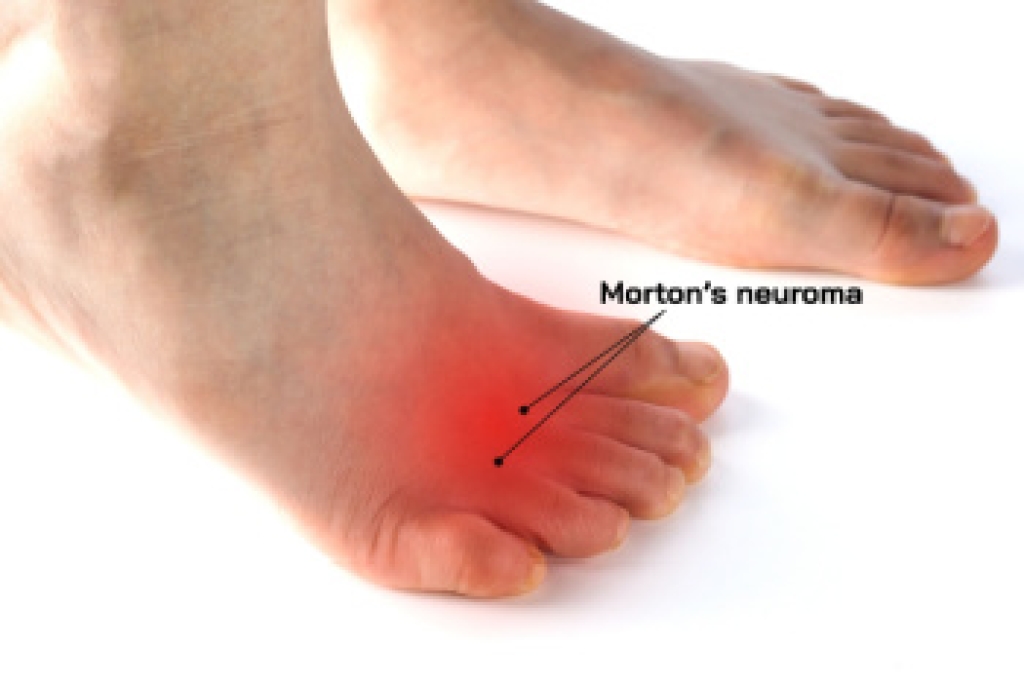
Morton’s neuroma is a condition in which the nerve between the metatarsal bones becomes thickened from repeated compression and irritation. It most often develops between the third and fourth toes and is commonly seen in individuals who wear narrow shoes or participate in high impact activities. Rather than visible swelling, the primary complaint is nerve-related pain. Patients frequently describe electric, shooting discomfort in the ball of the foot, along with tingling or numbness in the toes. Some feel as though their sock is bunched up or that they are stepping on a small object. Symptoms may worsen with prolonged walking and improve when shoes are removed. A podiatrist can identify the affected area through examination and specific pressure testing, and imaging may be used to confirm the diagnosis. Treatment may include footwear changes, custom orthotics, anti-inflammatory care, or injections to calm the nerve. If you suspect you may have Morton’s neuroma, it is suggested that you make an appointment with a podiatrist for proper evaluation and treatment.

Morton’s neuroma is a very uncomfortable condition to live with. If you think you have Morton’s neuroma, contact Dr. Robbi Young of Grand Haven Foot & Ankle. Our doctor will attend to all of your foot care needs and answer any of your related questions.  

Morton’s Neuroma

Morton's neuroma is a painful foot condition that commonly affects the areas between the second and third or third and fourth toe, although other areas of the foot are also susceptible. Morton’s neuroma is caused by an inflamed nerve in the foot that is being squeezed and aggravated by surrounding bones.

What Increases the Chances of Having Morton’s Neuroma?

  • Ill-fitting high heels or shoes that add pressure to the toe or foot
  • Jogging, running or any sport that involves constant impact to the foot
  • Flat feet, bunions, and any other foot deformities

Morton’s neuroma is a very treatable condition. Orthotics and shoe inserts can often be used to alleviate the pain on the forefront of the feet. In more severe cases, corticosteroids can also be prescribed. In order to figure out the best treatment for your neuroma, it’s recommended to seek the care of a podiatrist who can diagnose your condition and provide different treatment options.

If you have any questions, please feel free to contact our office located in Grand Haven, MI . We offer the newest diagnostic and treatment technologies for all your foot care needs.

Read more about Morton's Neuroma
Connect with us