


Have you noticed a bony protrusion on the side of your big toe? If so, you may have developed the foot condition known as a bunion. Don't let bunions interfere with your daily activities.

Have you noticed a bony protrusion on the side of your big toe? If so, you may have developed the foot condition known as a bunion. Don't let bunions interfere with your daily activities.
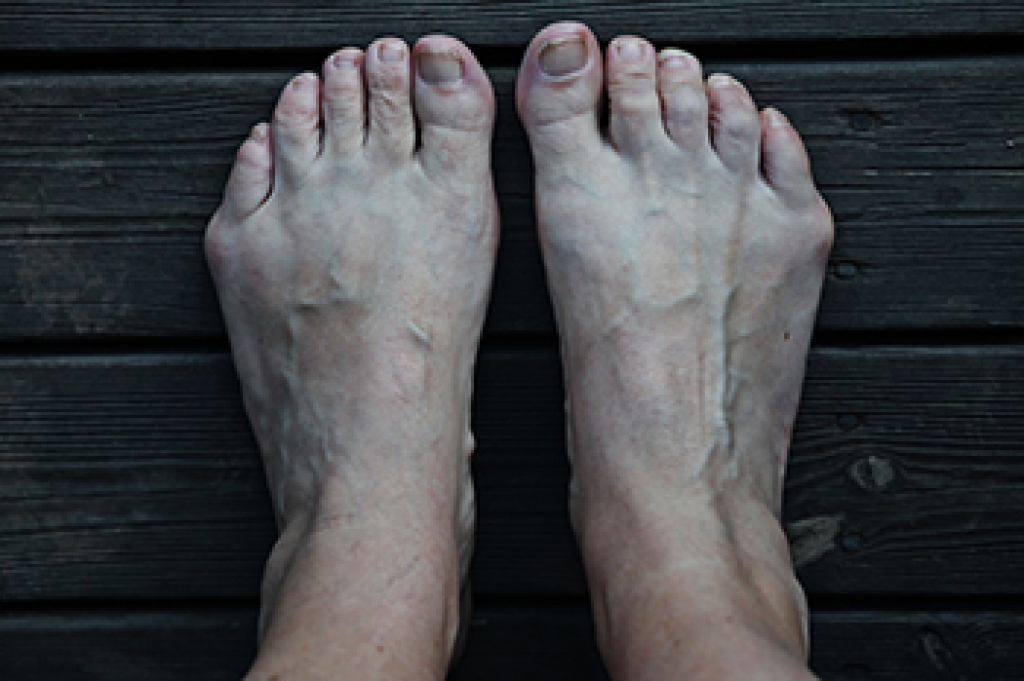
A tailor’s bunion is a bony prominence that develops along the outside edge of the foot near the base of the little toe. Commonly called a bunionette, it forms when the fifth metatarsal bone shifts outward as the little toe angles inward. Symptoms include a bump, tenderness, and pain when wearing narrow shoes. People may develop thickened skin or irritation over the area. Although a tailor’s bunion is not usually dangerous, discomfort can interfere with walking and activities.
Several factors can contribute to a tailor’s bunion. Genetics may influence foot structure, making some people more likely to develop abnormal toe bones or changes in alignment. Flat feet can alter how pressure moves through the foot and may increase stress along the forefoot. Other foot and ankle conditions can also affect alignment and contribute to bunionette formation. Tight or pointed shoes may worsen pressure around the little toe. Risk factors include inherited foot structure, flat feet, and repeated stress from activities that place pressure on the forefoot.
A podiatrist begins treatment by examining the foot and reviewing symptoms, footwear, and history. X-rays may be recommended to evaluate bone position and joint alignment. Treatment often starts with wearing wider shoes that provide adequate toe room. Additionally, padding can protect the bump from friction, while orthotics may help improve pressure distribution. A podiatrist may also recommend medication to reduce discomfort. If pain remains despite conservative care, surgery may be considered to realign the affected bone and improve function.
Understanding the cause of a tailor’s bunion can make treatment more effective. Early care may reduce irritation and prevent symptoms from becoming limiting. If you have a painful tailor’s bunion, it is suggested that you consult a podiatrist who can provide effective relief, treatment, and management solutions.
If you are suffering from bunion pain, contact Dr. Robbi Young of Grand Haven Foot & Ankle. Our doctor can provide the care you need to keep you pain-free and on your feet.
What Is a Bunion?
Bunions are painful bony bumps that usually develop on the inside of the foot at the joint of the big toe. As the deformity increases over time, it may become painful to walk and wear shoes. Women are more likely to exacerbate existing bunions since they often wear tight, narrow shoes that shift their toes together. Bunion pain can be relieved by wearing wider shoes with enough room for the toes.
Causes
Symptoms
In order to diagnose your bunion, your podiatrist may ask about your medical history, symptoms, and general health. Your doctor might also order an x-ray to take a closer look at your feet. Nonsurgical treatment options include orthotics, padding, icing, changes in footwear, and medication. If nonsurgical treatments don’t alleviate your bunion pain, surgery may be necessary.
If you have any questions, please feel free to contact our office located in Grand Haven, MI . We offer the newest diagnostic and treatment technologies for all your foot care needs.

Tarsal tunnel syndrome is a nerve condition that develops when the tibial nerve becomes compressed as it passes through the tarsal tunnel near the inside of the ankle. This narrow passage contains nerves, blood vessels, and tendons. When pressure affects the tibial nerve, discomfort can travel through the ankle and into the foot. Understanding this condition can help you recognize symptoms early and seek care before nerve irritation becomes persistent.
Common symptoms include burning pain around the inner ankle, tingling in the sole, and numbness in the foot. Some people notice shooting discomfort that becomes stronger after standing or walking for long periods of time. Symptoms may also feel worse at night or after strenuous activity. Risk factors include flat feet, ankle injuries, and arthritis. Diabetes and repetitive stress may also increase vulnerability to nerve compression.
Several causes can contribute to tarsal tunnel syndrome. An ankle sprain may create swelling that places pressure on the tibial nerve. A cyst, bone spur, or other growth can narrow the tunnel. Abnormal foot mechanics may also increase strain along the nerve. A podiatrist begins treatment by reviewing your symptoms and medical history. The examination may assess foot structure, sensation, strength, and nerve function. Diagnostic testing may be recommended when needed to identify nerve compression or another source.
Treatment depends on the cause and severity of symptoms. A podiatrist may recommend activity changes, wearing supportive footwear, or custom orthotics. Medication may reduce irritation and pressure. In selected cases, injections may help control inflammation, while surgery can release the compressed nerve when conservative care does not provide relief. Early evaluation can improve the opportunity for treatment and protect nerve function. Prompt care supports lasting comfort. If you have symptoms of tarsal tunnel syndrome, it is suggested that you consult a podiatrist who can accurately diagnose and treat this condition.
Tarsal tunnel syndrome can be very uncomfortable to live with. If you are experiencing tarsal tunnel syndrome, contact Dr. Robbi Young of Grand Haven Foot & Ankle. Our doctor can provide the care you need to keep you pain-free and on your feet.
Tarsal Tunnel Syndrome
Tarsal tunnel syndrome, which can also be called tibial nerve dysfunction, is an uncommon condition of misfiring peripheral nerves in the foot. The tibial nerve is the peripheral nerve in the leg responsible for sensation and movement of the foot and calf muscles. In tarsal tunnel syndrome, the tibial nerve is damaged, causing problems with movement and feeling in the foot of the affected leg.
Common Cause of Tarsal Tunnel Syndrome
The Effects of Tarsal Tunnel Syndrome
A physical exam of the leg can help identify the presence of tarsal tunnel syndrome. Medical tests, such as a nerve biopsy, are also used to diagnose the condition. Patients may receive physical therapy and prescriptive medication. In extreme cases, some may require surgery.
If you have any questions please contact our office located in Grand Haven, MI . We offer the newest diagnostic and treatment technologies for all your foot and ankle needs.


Copyright © Grand Haven Foot & Ankle | Site Map | Nondiscrimination Policy | Design by: Podiatry Content Connection