
(616) 846-3400
Fax: (616) 846-3406


Review Us
Follow Us
Like Us

Blog

Protecting Your Feet While Working in the Kitchen

Working in a kitchen often requires long hours of standing, walking, and moving quickly on hard surfaces, which can place significant strain on the feet and ankles. Prioritizing foot comfort is essential to prevent pain and fatigue. Wearing supportive non-slip shoes helps improve stability and reduce the risk of slips and falls. Using anti-fatigue mats can cushion hard floors and decrease pressure on joints, and taking regular breaks to rest the feet allows muscles to recover and circulation to improve. Additionally, wearing compression socks may also support blood flow and reduce swelling during extended shifts. If you have foot pain during your work day, it is suggested that you consult a podiatrist who can treat various foot and ankle conditions, and guide you on the right shoes to wear.

While working on the feet, it is important to take the proper care of them. For more information about working on your feet, contact Dr. Robbi Young from Grand Haven Foot & Ankle. Our doctor will treat your foot and ankle needs.

Working on Your Feet

Standing on your feet for long periods of time can cause stress and pain in your feet. Your whole body may experience change in terms of posture, back pain, bunions, callouses and or plantar warts. There are ways to avoid these conditions with proper foot care, smart choices and correct posture.

Positive Changes

Negative heeled shoe – Choosing this shoe type places the heel slightly lower than the ball of the foot. These are great for overall foot health. Find shoes that fit you correctly.

Go barefoot – Our feet were not designed to be enclosed for all hours of the day. Try to periodically expose your feet to air.

Eliminate Pain

Foot Exercises – Performing simple exercises, incorporating yoga and doing stretches are beneficial. This will allow increased blood flow to the area and muscles of the foot.

Achilles tendon – Stretching the foot out flat on the floor will relax the calf muscles and tendon. These exercises can be performed almost anywhere. Make sure you add these exercises to your daily regimen. 

With a little bit of this information and knowing more about foot health, you will notice changes. Foot stretches and proper footwear will help with pain and prevent further issues.

If you have any questions please contact our office located in Grand Haven, MI . We offer the newest diagnostic and treatment technologies for all your foot and ankle needs.

Read more about Working on Your Feet

When Pain on the Side of the Foot Slows Down Hikers

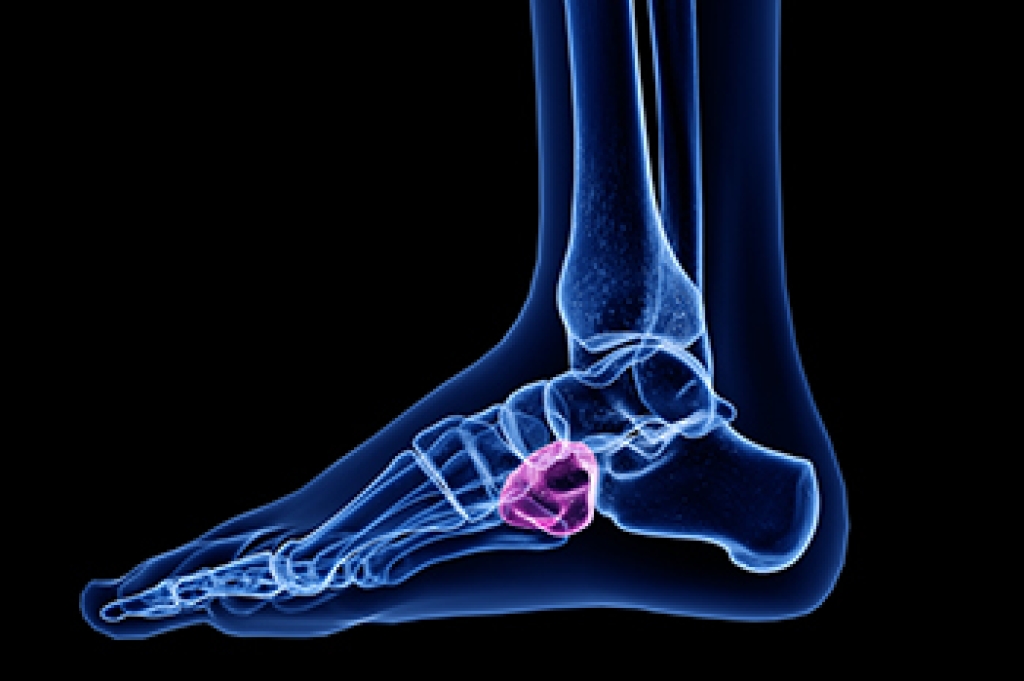
Cuboid stress fractures are uncommon but painful injuries that affect a small bone on the outer side of the midfoot. They often develop from repetitive loading rather than a single injury, making them easy to overlook early on. Runners, dancers, and people who walk long distances may notice a deep, aching discomfort that worsens with activity and improves with rest. Swelling, tenderness, and pain when pushing off the foot are common signs. Because symptoms can mimic tendon strain or arthritis, proper diagnosis is sometimes delayed. Imaging such as X rays or advanced scans may be needed to confirm the problem. Treatment usually focuses on reducing stress to the bone through activity modification, supportive footwear, and sometimes immobilization. With proper care, healing follows. It is suggested that anyone with persistent outer foot pain consider seeing a podiatrist for an accurate diagnosis and a treatment plan.

Cuboid syndrome, also known as cuboid subluxation, occurs when the joints and ligaments near the cuboid bone in the foot become torn. If you have cuboid syndrome, consult with Dr. Robbi Young from Grand Haven Foot & Ankle. Our doctor will assess your condition and provide you with quality foot and ankle treatment.

Cuboid syndrome is a common cause of lateral foot pain, which is pain on the outside of the foot. The condition may happen suddenly due to an ankle sprain, or it may develop slowly overtime from repetitive tension through the bone and surrounding structures.

Causes

The most common causes of cuboid syndrome include:

  • Injury – The most common cause of this ailment is an ankle sprain.
  • Repetitive Strain – Tension placed through the peroneus longus muscle from repetitive activities such as jumping and running may cause excessive traction on the bone causing it to sublux.
  • Altered Foot Biomechanics – Most people suffering from cuboid subluxation have flat feet.

Symptoms

A common symptom of cuboid syndrome is pain along the outside of the foot which can be felt in the ankle and toes. This pain may create walking difficulties and may cause those with the condition to walk with a limp.

Diagnosis

Diagnosis of cuboid syndrome is often difficult, and it is often misdiagnosed. X-rays, MRIs and CT scans often fail to properly show the cuboid subluxation. Although there isn’t a specific test used to diagnose cuboid syndrome, your podiatrist will usually check if pain is felt while pressing firmly on the cuboid bone of your foot.

Treatment

Just as the range of causes varies widely, so do treatments. Some more common treatments are ice therapy, rest, exercise, taping, and orthotics.

If you have any questions, please feel free to contact our office located in Grand Haven, MI . We offer the newest diagnostic and treatment technologies for all your foot care needs.

Read more about All About Cuboid Syndrome

Plantar Warts Can Be Treated!

Plantar warts are small growths that develop on parts of the feet that bear weight. They're typically found on the bottom of the foot. Don't live with plantar warts, and call us today!

Gentle Solutions for Corns and Calluses

Corns and calluses form when the skin responds to repeated pressure or friction by building extra layers for protection. This process involves excessive growth of the outer skin layer, which can become thick, hard, and uncomfortable over time. Corns tend to be smaller and more focused, while calluses usually spread across weight-bearing areas of the foot. Treatment begins by identifying and reducing the source of pressure. Wearing proper footwear, cushioning pads, and custom orthotics can help redistribute force and prevent recurrence. Professional trimming of thickened skin provides relief and lowers the risk of cracking or infection. Moisturizing care may also improve skin flexibility. Self-treatment with sharp tools or harsh chemicals is discouraged. If your corns or calluses become painful, return often, or interfere with walking, it is suggested that you see a podiatrist for a proper diagnosis and appropriate treatment.

Corns can make walking very painful and should be treated immediately. If you have questions regarding your feet and ankles, contact Dr. Robbi Young of Grand Haven Foot & Ankle. Our doctor will treat your foot and ankle needs.

Corns: What Are They? And How Do You Get Rid of Them?
Corns are thickened areas on the skin that can become painful. They are caused by excessive pressure and friction on the skin. Corns press into the deeper layers of the skin and are usually round in shape.

Ways to Prevent Corns
There are many ways to get rid of painful corns such as:

  • Wearing properly fitting shoes that have been measured by a professional
  • Wearing shoes that are not sharply pointed or have high heels
  • Wearing only shoes that offer support

Treating Corns

Although most corns slowly disappear when the friction or pressure stops, this isn’t always the case. Consult with your podiatrist to determine the best treatment option for your case of corns.

If you have any questions, please feel free to contact our office located in Grand Haven, MI . We offer the newest diagnostic and treatment technologies for all your foot care needs.

Read more about Corns and Calluses

Recognizing and Treating Hammertoe

Gradual changes in toe position can be an early sign of a hammertoe, where one or more toes bend at the middle joint and no longer rest flat. Common signs include toe stiffness, irritation from footwear, and corns or calluses. As the hammertoe progresses, the toe may become rigid, limiting movement and causing more pain. Muscle imbalance, nerve conditions, injury, and long-term pressure on the toes can all contribute to this toe deformity. A podiatrist can evaluate toe alignment, joint flexibility, and foot structure to confirm the diagnosis and determine treatment. Some cases of hammertoe may require surgery to correct alignment and relieve pain. If you notice changes to the structure of your toes, it is suggested that you make an appointment with a podiatrist for an exam, diagnosis, and treatment.

Hammertoe

Hammertoes can be a painful condition to live with. For more information, contact Dr. Robbi Young from Grand Haven Foot & Ankle. Our doctor will answer any of your foot- and ankle-related questions.

Hammertoe is a foot deformity that affects the joints of the second, third, fourth, or fifth toes of your feet. It is a painful foot condition in which these toes curl and arch up, which can often lead to pain when wearing footwear.

Symptoms

  • Pain in the affected toes
  • Development of corns or calluses due to friction
  • Inflammation
  • Redness
  • Contracture of the toes

Causes

Genetics – People who are genetically predisposed to hammertoe are often more susceptible

Arthritis – Because arthritis affects the joints in your toes, further deformities stemming from arthritis can occur

Trauma – Direct trauma to the toes could potentially lead to hammertoe

Ill-fitting shoes – Undue pressure on the front of the toes from ill-fitting shoes can potentially lead to the development of hammertoe

Treatment

Orthotics – Custom made inserts can be used to help relieve pressure placed on the toes and therefore relieve some of the pain associated with it

Medications – Oral medications such as anti-inflammatories or NSAIDs could be used to treat the pain and inflammation hammertoes causes. Injections of corticosteroids are also sometimes used

Surgery – In more severe cases where the hammertoes have become more rigid, foot surgery is a potential option

If you have any questions, please feel free to contact our office located in Grand Haven, MI . We offer the newest diagnostic and treatment technologies for all your foot care needs.

Read more about What Are Hammertoes?
Connect with us