(616) 846-3400
Fax: (616) 846-3406


Leave Google Review for Grand Haven Foot & Ankle
Grand Haven Foot & Ankle on Twitter
Grand Haven Foot & Ankle on Facebook

Blog

Flat Feet Are Not Always a Problem

Flat feet often get a bad reputation, but having low or no arches is not necessarily a medical issue. Many people with flat feet experience no pain, move just fine, and never need treatment. In fact, arches vary widely. Some people have naturally lower arches, and that is perfectly normal. One common myth is that flat feet always cause pain or lead to joint problems. While some people may develop discomfort due to wearing improper footwear or overuse, many with flat feet live pain-free. Another myth is that everyone with flat feet needs orthotics. In reality, treatment is only needed if symptoms arise, such as pain, fatigue, or instability. However, if you have painful flat feet, and it is affecting your mobility, it is suggested that you see a podiatrist for intervention.

Flatfoot is a condition many people suffer from. If you have flat feet, contact Dr. Robbi Young from Grand Haven Foot & Ankle. Our doctor will treat your foot and ankle needs.

What Are Flat Feet?

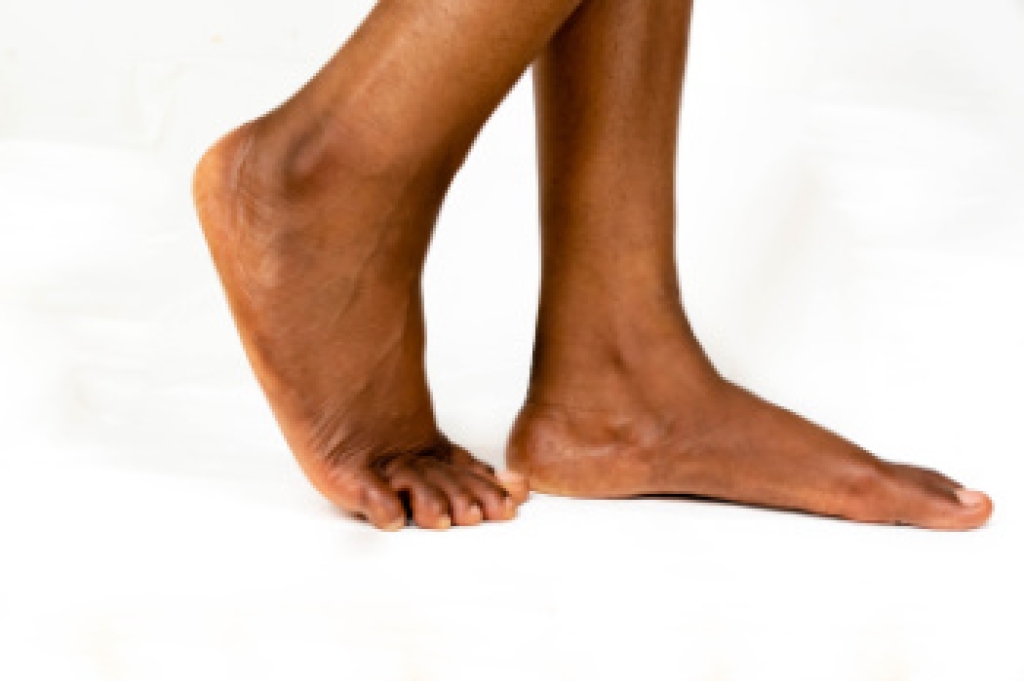
Flatfoot is a condition in which the arch of the foot is depressed and the sole of the foot is almost completely in contact with the ground. About 20-30% of the population generally has flat feet because their arches never formed during growth.

Conditions & Problems:

Having flat feet makes it difficult to run or walk because of the stress placed on the ankles.

Alignment – The general alignment of your legs can be disrupted, because the ankles move inward which can cause major discomfort.

Knees – If you have complications with your knees, flat feet can be a contributor to arthritis in that area.  

Symptoms

  • Pain around the heel or arch area
  • Trouble standing on the tip toe
  • Swelling around the inside of the ankle
  • Flat look to one or both feet
  • Having your shoes feel uneven when worn

Treatment

If you are experiencing pain and stress on the foot you may weaken the posterior tibial tendon, which runs around the inside of the ankle. 

If you have any questions, please feel free to contact our office located in Grand Haven, MI . We offer the newest diagnostic and treatment technologies for all your foot care needs.
Read more about Flatfoot

Foot Problems Linked to High Arches

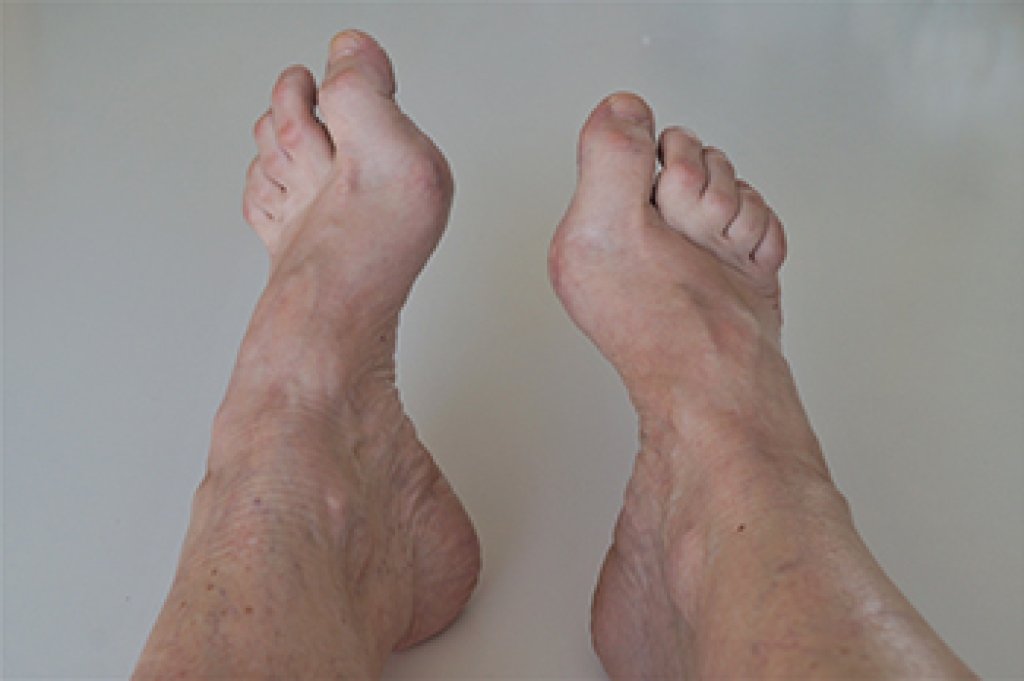
High arches can contribute to several foot and ankle problems due to the uneven distribution of weight. People with this condition often experience excessive pressure on the ball and heel of the foot, which can lead to metatarsalgia or plantar fasciitis. The strain placed on the toes may also result in deformities, such as hammer toe or claw toe, making it difficult to wear regular shoes without discomfort. High arches can also cause instability in the foot and ankle, which increases the risk of frequent sprains. Some people are born with high arches, while others develop them due to neurological conditions that affect muscle function. A podiatrist can assess your foot structure, determine whether an underlying condition is involved, and provide recommendations to improve stability and reduce pain. Treatment may involve supportive footwear, custom orthotics, or surgery, if the condition leads to chronic pain or deformity. If you have high arches that are causing foot or ankle pain, it is suggested that you schedule an appointment with a podiatrist for an exam and treatment options.

If you have any concerns about your feet, contact Dr. Robbi Young from Grand Haven Foot & Ankle. Our doctor can provide the care you need to keep you pain-free and on your feet.

Biomechanics in Podiatry

Podiatric biomechanics is a particular sector of specialty podiatry with licensed practitioners who are trained to diagnose and treat conditions affecting the foot, ankle and lower leg. Biomechanics deals with the forces that act against the body, causing an interference with the biological structures. It focuses on the movement of the ankle, the foot and the forces that interact with them.

A History of Biomechanics

  • Biomechanics dates back to the BC era in Egypt where evidence of professional foot care has been recorded.
  • In 1974, biomechanics gained a higher profile from the studies of Merton Root, who claimed that by changing or controlling the forces between the ankle and the foot, corrections or conditions could be implemented to gain strength and coordination in the area.

Modern technological improvements are based on past theories and therapeutic processes that provide a better understanding of podiatric concepts for biomechanics. Computers can provide accurate information about the forces and patterns of the feet and lower legs.

Understanding biomechanics of the feet can help improve and eliminate pain, stopping further stress to the foot.

If you have any questions please feel free to contact our office located in Grand Haven, MI . We offer the newest diagnostic and treatment technologies for all your foot and ankle needs.

Read more about Biomechanics in Podiatry

Living With Gout

Gout is a type of arthritis caused by a buildup of uric acid crystals in the joints, often affecting the big toe. It is more common in men and people with high levels of uric acid in their blood, which can result from poor diet, obesity, or certain medical conditions like kidney disease. Gout attacks are sudden and intense, often described as sharp, throbbing pain that can feel like the affected joint is on fire. The area becomes swollen, red, and tender to the touch, making it difficult to move the foot or walk. These flare-ups can last for days or weeks if not treated. To manage gout, lifestyle changes such as reducing alcohol and eating purine-rich foods like red meat are key. Anti-inflammatory medications and uric acid-lowering drugs can help relieve pain and prevent future attacks. A podiatrist can provide customized care, offer medication management, and suggest foot-friendly changes to alleviate pressure on the affected joint. If you are experiencing gout symptoms, it is suggested that you schedule an appointment with a podiatrist for effective treatment.

Gout is a foot condition that requires certain treatment and care. If you are seeking treatment, contact Dr. Robbi Young from Grand Haven Foot & Ankle. Our doctor will treat your foot and ankle needs.

What Is Gout?

Gout is a type of arthritis caused by a buildup of uric acid in the bloodstream. It often develops in the foot, especially the big toe area, although it can manifest in other parts of the body as well. Gout can make walking and standing very painful and is especially common in diabetics and the obese.

People typically get gout because of a poor diet. Genetic predisposition is also a factor. The children of parents who have had gout frequently have a chance of developing it themselves.

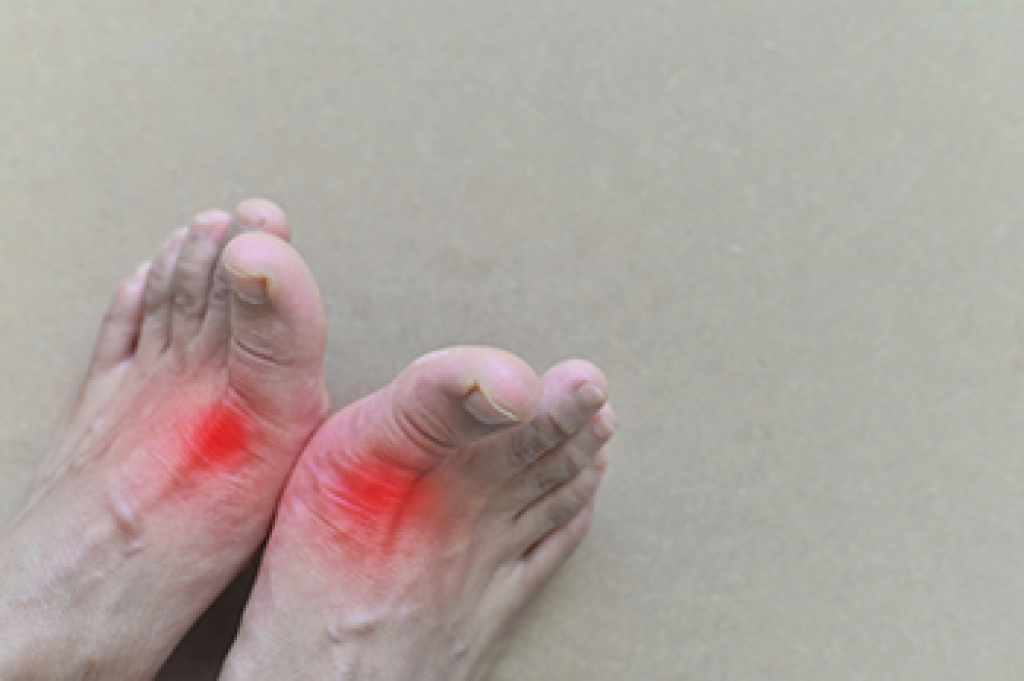
Gout can easily be identified by redness and inflammation of the big toe and the surrounding areas of the foot. Other symptoms include extreme fatigue, joint pain, and running high fevers. Sometimes corticosteroid drugs can be prescribed to treat gout, but the best way to combat this disease is to get more exercise and eat a better diet.

If you have any questions, please feel free to contact our office located in Grand Haven, MI . We offer the newest diagnostic and treatment technologies for all your foot care needs.
Read more about Everything You Need to Know About Gout

Why Your Feet Rebels With Bunions

A bunion is not just a bump on the side of the foot. It is your foot’s way of protesting years of pressure, wearing poor footwear, or genetic predisposition. This bony misalignment at the base of the big toe develops gradually, often starting as mild discomfort before turning into persistent pain. Shoes that once fit perfectly start to feel tight, and walking can become a struggle. Beyond appearance, bunions can affect balance, alter gait, and lead to secondary problems like corns, calluses, and joint stiffness. While wider shoes, padding, and toe spacers can ease symptoms, they do not fix the underlying issue. Severe bunions may require corrective surgery to realign the toe and restore function. Ignoring the pain will not make it disappear. If a bunion is interfering with your daily life, it is suggested that you see a podiatrist for options to relieve discomfort and prevent further damage.

If you are suffering from bunions, contact Dr. Robbi Young of Grand Haven Foot & Ankle. Our doctor can provide the care you need to keep you pain-free and on your feet.

What Is a Bunion?

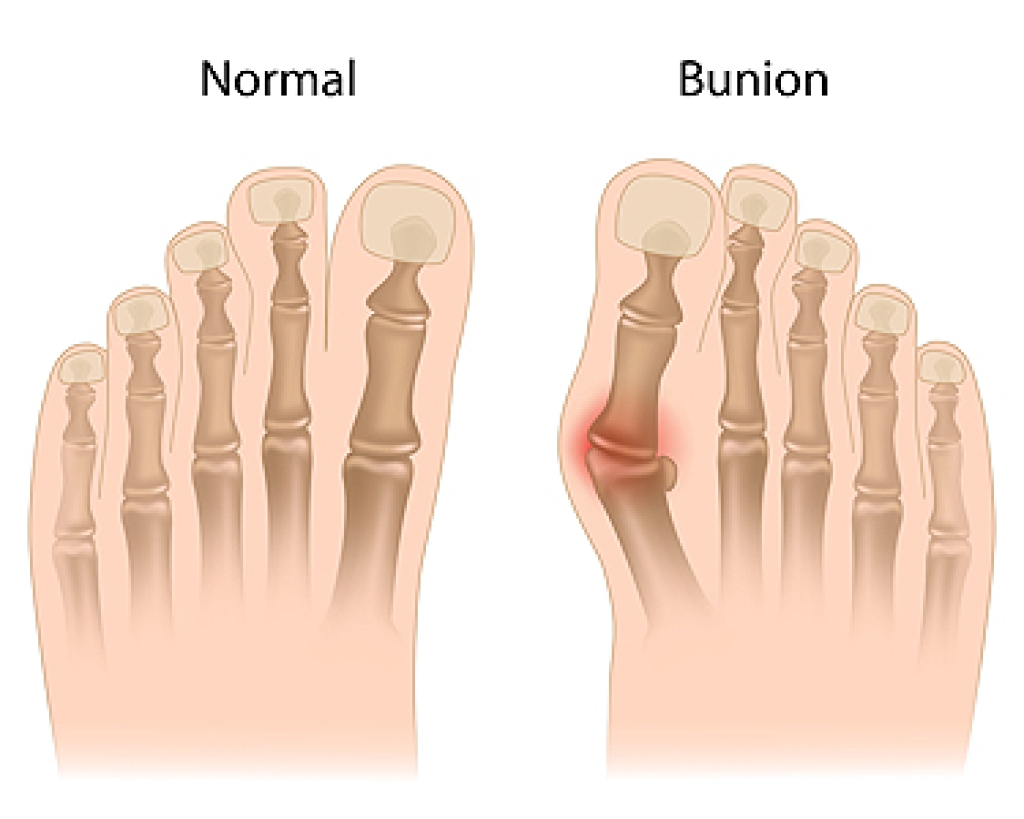
A bunion is formed of swollen tissue or an enlargement of boney growth, usually located at the base joint of the toe that connects to the foot. The swelling occurs due to the bones in the big toe shifting inward, which impacts the other toes of the foot. This causes the area around the base of the big toe to become inflamed and painful.

Why Do Bunions Form?

Genetics – Susceptibility to bunions are often hereditary

Stress on the feet – Poorly fitted and uncomfortable footwear that places stress on feet, such as heels, can worsen existing bunions

How Are Bunions Diagnosed?

Podiatrists often perform two tests – blood tests and x-rays – when trying to diagnose bunions, especially in the early stages of development. Blood tests help determine if the foot pain is being caused by something else, such as arthritis, while x-rays provide a clear picture of your bone structure to your provider.

How Are Bunions Treated?

  • Refrain from wearing heels or similar shoes that cause discomfort
  • Select wider shoes that can provide more comfort and reduce pain
  • Anti-inflammatory and pain management drugs
  • Orthotics or foot inserts
  • Surgery

If you have any questions, please feel free to contact our office located in Grand Haven, MI . We offer the newest diagnostic and treatment technologies for all your foot care needs.

Read more about Bunions
Connect with us