

Foot blisters are pockets of fluid that form on the skin's surface, and can turn a pleasant walk or workout into a painful experience. These common nuisances are often the result of friction or repeated rubbing on the skin. When the skin experiences excessive pressure or friction, the top layer separates from the layers beneath, trapping a small amount of fluid in the newly formed pocket. Blisters can also be caused by wearing ill-fitting shoes, footwear that rubs against the skin, high levels of moisture, or extended periods of physical activity. Understanding the factors that contribute to blister formation is essential for prevention. If you have developed a blister on your foot that has become problematic, it is suggested that you speak with a podiatrist who can properly treat it and offer you effective prevention methods.
Blisters may appear as a single bubble or in a cluster. They can cause a lot of pain and may be filled with pus, blood, or watery serum. If your feet are hurting, contact Dr. Robbi Young of Grand Haven Foot & Ankle. Our doctor can provide the care you need to keep you pain-free and on your feet.
Foot Blisters
Foot blisters are often the result of friction. This happens due to the constant rubbing from shoes, which can lead to pain.
What Are Foot Blisters?
A foot blister is a small fluid-filled pocket that forms on the upper-most layer of the skin. Blisters are filled with clear fluid and can lead to blood drainage or pus if the area becomes infected.
Symptoms
(Blister symptoms may vary depending on what is causing them)
Prevention & Treatment
In order to prevent blisters, you should be sure to wear comfortable shoes with socks that cushion your feet and absorb sweat. Breaking a blister open may increase your chances of developing an infection. However, if your blister breaks, you should wash the area with soap and water immediately and then apply a bandage to the affected area. If your blisters cause severe pain it is important that you call your podiatrist right away.
If you have any questions, please feel free to contact our office located in Grand Haven, MI . We offer the newest diagnostic and treatment technologies for all your foot care needs.
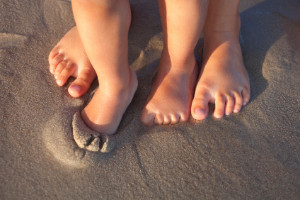
Children's feet are remarkable in their growth and development, undergoing significant changes from birth to adolescence. During infancy, a baby's feet are mostly cartilage, gradually ossifying into bones. It is fascinating to note that a child will typically grow approximately 17 shoe sizes by the age of two. As they start walking, the arches of their feet begin to form and develop, providing stability and support. Children often have a naturally wider forefoot and a flat arch due to the accumulation of fatty tissue, which eventually diminishes with age and activity. Wearing proper footwear when the time is right is important for healthy foot development, allowing room for growth and adequate support. Regular check-ups with a podiatrist can ensure any potential foot issues are addressed early. If you would like additional information about the stages of development in children’s feet, it is suggested that you confer with a podiatrist.
Making sure that your children maintain good foot health is very important as they grow. If you have any questions, contact Dr. Robbi Young of Grand Haven Foot & Ankle. Our doctor can provide the care you need to keep you pain-free and on your feet.
Keeping Children's Feet Healthy
Having healthy feet during childhood can help prevent medical problems later in life, namely in the back and legs. As children grow, their feet require different types of care. Here are some things to consider...
Although babies do not walk yet, it is still very important to take care of their feet.
Avoid putting tight shoes or socks on his or her feet.
Allow the baby to stretch and kick his or her feet to feel comfortable.
As a toddler, kids are now on the move and begin to develop differently. At this age, toddlers are getting a feel for walking, so don’t be alarmed if your toddler is unsteady or ‘walks funny’.
As your child gets older, it is important to teach them how to take care of their feet.
Show them proper hygiene to prevent infections such as fungus.
Be watchful for any pain or injury.
Have all injuries checked by a doctor as soon as possible.
Comfortable, protective shoes should always be worn, especially at play.
If you have any questions please feel free to contact our office located in Grand Haven, MI . We offer the newest diagnostic and treatment technologies for all your foot and ankle needs.

You don't need an excuse to have beautiful nails. Step outside without worrying about the appearance of your feet.
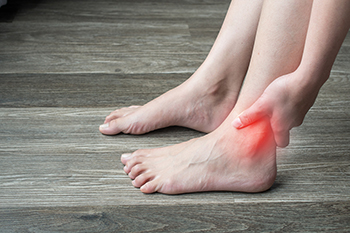
Osteoarthritis, or OA, which is often associated with aging and wear-and-tear, isn't limited to just the knees and hips. It can also affect the ankle joint, causing pain and mobility issues. Osteoarthritis in the ankle is a chronic condition that develops when the protective cartilage that cushions the bones begins to deteriorate. OA can occur at any time of life, but it is most common in older adults. Being overweight adds stress to your ankles and fat cells produce proteins that may make the condition worse. Any ankle injury, even one that happened years ago, can lead to osteoarthritis. Symptoms include pain, stiffness, swelling, and a reduced range of motion, which can significantly affect your daily life. Even simple tasks like walking and climbing stairs can become challenging. Several factors can contribute to ankle osteoarthritis, including previous injuries, genetics, and obesity. Treatment options include medication, physical therapy, orthotic devices, and in some cases, surgery. Osteoarthritis is a progressive disease, and for that reason managing it requires a comprehensive approach to reduce pain and maintain mobility. It's suggested that you make an appointment with a podiatrist if you suspect osteoarthritis is affecting your ankles.
Arthritis can be a difficult condition to live with. If you are seeking treatment, contact Dr. Robbi Young from Grand Haven Foot & Ankle. Our doctor can provide the care you need to keep you pain-free and on your feet.
Arthritic Foot Care
Arthritis is a term that is commonly used to describe joint pain. The condition itself can occur to anyone of any age, race, or gender, and there are over 100 types of it. Nevertheless, arthritis is more commonly found in women compared to men, and it is also more prevalent in those who are overweight. The causes of arthritis vary depending on which type of arthritis you have. Osteoarthritis for example, is often caused by injury, while rheumatoid arthritis is caused by a misdirected immune system.
Symptoms
Arthritic symptoms range in severity, and they may come and go. Some symptoms stay the same for several years but could potentially get worse with time. Severe cases of arthritis can prevent its sufferers from performing daily activities and make walking difficult.
Risk Factors
If you suspect your arthritis is affecting your feet, it is crucial that you see a podiatrist immediately. Your doctor will be able to address your specific case and help you decide which treatment method is best for you.
If you have any questions, please feel free to contact our office located in Grand Haven, MI . We offer the newest diagnostic and treatment technologies for all your foot care needs.

Flat feet, also known as fallen arches, is a common condition where the arches of the feet appear to be flat or absent. Understanding the anatomy of flat feet can shed light on this condition. The arch of the foot is a vital structural feature, composed of tendons, ligaments, and bones, including the tarsal and metatarsal bones. In individuals with normal arches, these structures work together to absorb shock, distribute weight, and provide stability during movement. However, in individuals with flat feet, these components may not function as effectively. Common causes of flat feet include genetics, injury, or conditions such as tendon dysfunction. When the arch collapses or flattens, it can result in an uneven distribution of weight on the foot, leading to pain, fatigue, and potential musculoskeletal issues. Understanding the anatomy of flat feet is the first step towards seeking appropriate care and management. It is suggested that you consult with a podiatrist who can help individuals with flat feet explore treatment options. These can include wearing orthotics, doing specific exercises, and, in some cases, undergoing surgery to address discomfort and improve foot function.
Flatfoot is a condition many people suffer from. If you have flat feet, contact Dr. Robbi Young from Grand Haven Foot & Ankle. Our doctor will treat your foot and ankle needs.
What Are Flat Feet?
Flatfoot is a condition in which the arch of the foot is depressed and the sole of the foot is almost completely in contact with the ground. About 20-30% of the population generally has flat feet because their arches never formed during growth.
Conditions & Problems:
Having flat feet makes it difficult to run or walk because of the stress placed on the ankles.
Alignment – The general alignment of your legs can be disrupted, because the ankles move inward which can cause major discomfort.
Knees – If you have complications with your knees, flat feet can be a contributor to arthritis in that area.
Symptoms
Treatment
If you are experiencing pain and stress on the foot you may weaken the posterior tibial tendon, which runs around the inside of the ankle.
If you have any questions please feel free to contact our office located in Grand Haven, MI . We offer the newest diagnostic and treatment technologies for all your foot and ankle needs.

A broken toe can happen to anyone, whether it is from a sudden accident or a simple misstep. The first step in treating a broken toe is recognizing the signs. Pain, swelling, bruising, and difficulty in moving the toe are common indicators. If you suspect a break, it is essential to seek medical attention promptly. To confirm the broken toe, a diagnosis is often needed by having an X-ray taken. In the meantime, you can take some steps to alleviate discomfort. Resting the affected foot and elevating it may help to reduce swelling. Immobilize the toe by buddy-taping it to an adjacent healthy toe, which can provide support and stability during the healing process. Taking over-the-counter pain relievers can help to manage pain, and it is helpful to avoid putting weight on the injured toe. If the fracture is severe or displaced, the toe may need to be reset or placed in a splint. Healing a broken toe takes time, so it is advised to be patient and take good care of your injured toe. If you have broken your toe, it is suggested that you visit a podiatrist who can effectively diagnose and treat this injury.
A broken toe can be very painful and lead to complications if not properly fixed. If you have any concerns about your feet, contact Dr. Robbi Young from Grand Haven Foot & Ankle. Our doctor will treat your foot and ankle needs.
What to Know About a Broken Toe
Although most people try to avoid foot trauma such as banging, stubbing, or dropping heavy objects on their feet, the unfortunate fact is that it is a common occurrence. Given the fact that toes are positioned in front of the feet, they typically sustain the brunt of such trauma. When trauma occurs to a toe, the result can be a painful break (fracture).
Symptoms of a Broken Toe
Generally, it is best to stay off of the injured toe with the affected foot elevated.
Severe toe fractures may be treated with a splint, cast, and in some cases, minor surgery. Due to its position and the pressure it endures with daily activity, future complications can occur if the big toe is not properly treated.
If you have any questions please feel free to contact our office located in Grand Haven, MI . We offer the newest diagnostic and treatment technologies for all your foot and ankle needs.


 accessibility - Default