
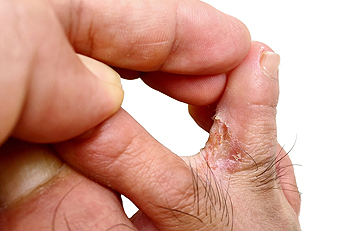
A corn on the foot may develop as a result of excess friction, and can be uncomfortable. It may develop between the toes, and appears to be a soft growth, often causing difficulty in walking. Additionally, many patients notice they form on top of the toes. This may be common in patients who have hammertoe. Mild relief may be found when the foot is soaked in warm water, as this generally helps to soften the corn. Corn pads can be worn while completing daily activities, and this is beneficial in protecting the affected area against additional friction. If you have corns, and would like advice about how to treat them, it is suggested that you consult with a podiatrist who can help you to manage this condition.
If you have any concerns regarding your feet and ankles, contact Dr. Robbi Young of Grand Haven Foot & Ankle. Our doctor will treat your foot and ankle needs.
Corns: What Are They? and How Do You Get Rid of Them?
Corns can be described as areas of the skin that have thickened to the point of becoming painful or irritating. They are often layers and layers of the skin that have become dry and rough, and are normally smaller than calluses.
Ways to Prevent Corns
There are many ways to get rid of painful corns such as wearing:
Treating Corns
Treatment of corns involves removing the dead skin that has built up in the specific area of the foot. Consult with Our doctor to determine the best treatment option for your case of corns.
If you have any questions please feel free to contact our office located in Grand Haven, MI . We offer the newest diagnostic and treatment technologies for all your foot and ankle needs.
 A common foot condition that affects numerous patients is referred to as plantar fasciitis. This occurs when the tissue that is located on the bottom of the foot becomes inflamed. This condition focuses on the plantar fascia, which connects the toes to the heels. The arch is supported by this band of tissue, and can be affected as this condition progresses. There are common reasons why plantar fasciitis may gradually develop. These can consist of standing for the majority of the day, existing foot conditions that may include having a rigid Achilles tendon, and wearing shoes that do not fit correctly. Patients may find moderate relief when the affected foot is elevated. It may also be beneficial to perform exercises that can strengthen the overall foot. Additionally, it may help to tape the foot which can provide support. If you feel you have this ailment, it is suggested that you schedule a consultation with a podiatrist who can help you to manage this condition.
Plantar fasciitis can be very painful and inconvenient. If you are experiencing heel pain or symptoms of plantar fasciitis, contact Dr. Robbi Young from Grand Haven Foot & Ankle. Our doctor can provide the care you need to keep you pain-free and on your feet.
What Is Plantar Fasciitis?
Plantar fasciitis is the inflammation of the thick band of tissue that runs along the bottom of your foot, known as the plantar fascia, and causes mild to severe heel pain.
What Causes Plantar Fasciitis?
How Can It Be Treated?
While very treatable, plantar fasciitis is definitely not something that should be ignored. Especially in severe cases, speaking to your doctor right away is highly recommended to avoid complications and severe heel pain. Your podiatrist can work with you to provide the appropriate treatment options tailored to your condition.
If you have any questions please feel free to contact our office located in Grand Haven, MI . We offer the newest diagnostic and treatment technologies for all your foot and ankle needs.
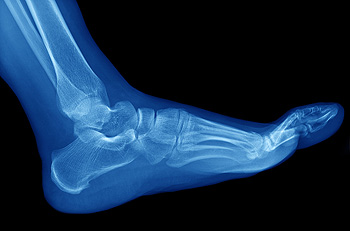 Patients who experience stress fractures that affect the feet can often feel frustrated. A stress fracture is known as a small crack in the bone and can be referred to as a hairline fracture. It occurs as a result of repeated stress that can gradually happen during frequent running or from standing for the majority of the day. The recovery process is generally lengthy and may require that you stay off your feet. People who are affected with severe stress fractures may find it helpful to wear a protective boot to aid in the healing process. There are methods that can be implemented, which may help to prevent stress fractures. This can include gradually increasing mileage and building muscle strength that will support your chosen type of running. If you have a stress fracture, it is strongly recommended that you seek the counsel of a podiatrist who can properly treat this condition.
Activities where too much pressure is put on the feet can cause stress fractures. To learn more, contact Dr. Robbi Young from Grand Haven Foot & Ankle. Our doctor can provide the care you need to keep your pain free and on your feet.
Dealing with Stress Fractures of the Foot and Ankle
Stress fractures occur in the foot and ankle when muscles in these areas weaken from too much or too little use. The feet and ankles then lose support when walking or running from the impact of the ground. Since there is no protection, the bones receive the full impact of each step. Stress on the feet can cause cracks to form in the bones, thus creating stress fractures.
What Are Stress Fractures?
Stress fractures occur frequently in individuals whose daily activities cause great impact on the feet and ankles. Stress factors are most common among:
Symptoms
Pain from the fractures occur in the area of the fractures and can be constant or intermittent. It will often cause sharp or dull pain with swelling and tenderness. Engaging in any kind of activity which involves high impact will aggravate pain.
If you have any questions please feel free to contact our office located in Grand Haven, MI . We offer the newest diagnostic and treatment technologies for all your foot and ankle needs.
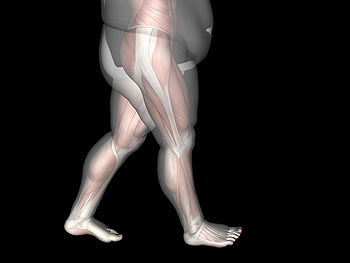 Patients who are obese may have foot problems as a result of the additional weight that is carried by the feet. A common foot condition that may arise because of obesity is known as plantar fasciitis, which is an inflammation of the plantar fascia. The ankles may undergo stress that is put on the bones, ligaments, and tendons as a result of additional weight that is carried. This may increase the risk of falling, as well as increase the occurrence of ankle sprains. Another common condition linked to obesity is known as tibial tendonitis, which may cause the foot to roll inward while walking, leading to ankle pain. If you are having any type of foot pain as a result of being overweight, it is advised that you consult with a podiatrist as quickly as possible, who can offer relief through proper treatment options.
The more you weigh, the harder your feet must work to support your body. If you’re an obese individual and are concerned about your feet, contact Dr. Robbi Young from Grand Haven Foot & Ankle. Our doctor can provide the care you need to keep you pain-free and on your feet.
Obesity and Your Feet
People who are overweight are putting more pressure on their ankles, knees, and hips as well as their feet. This unfortunately can lead to variety of different issues.
Problems & Complications Stemming from Obesity
If you have any questions, please feel free to contact our office located in Grand Haven, MI . We offer the newest diagnostic and treatment technologies for all your foot care needs.

Suffering from this type of pain? You may have the foot condition known as Morton's neuroma. Morton's neuroma may develop as a result of ill-fitting footwear and existing foot deformities. We can help.

A common infection of the toenail is referred to as toenail fungus. It typically develops in the nail bed, and it generally grows slowly. One of the first symptoms of having this ailment is noticing a yellow or white dot that appears under the tip of the nail. In severe infections, the nail may turn a dark color, and may often become brittle and can crumble. This type of fungus lives and thrives in warm and moist environments which can include swimming pools, locker rooms, and shower room floors. There are measures that can be taken which may help to prevent toenail fungus. These can consist of wearing appropriate shoes while in these types of areas, trimming the nails frequently, and keeping the feet clean and dry. There are several treatment options available, and it is suggested that you consult with a podiatrist who can offer the best solution for you.
If left untreated, toenail fungus may spread to other toenails, skin, or even fingernails. If you suspect you have toenail fungus it is important to seek treatment right away. For more information about treatment, contact Dr. Robbi Young of Grand Haven Foot & Ankle. Our doctor can provide the care you need to keep you pain-free and on your feet.
Symptoms
Treatment
If self-care strategies and over-the-counter medications does not help your fungus, your podiatrist may give you a prescription drug instead. Even if you find relief from your toenail fungus symptoms, you may experience a repeat infection in the future.
Prevention
In order to prevent getting toenail fungus in the future, you should always make sure to wash your feet with soap and water. After washing, it is important to dry your feet thoroughly especially in between the toes. When trimming your toenails, be sure to trim straight across instead of in a rounded shape. It is crucial not to cover up discolored nails with nail polish because that will prevent your nail from being able to “breathe”.
In some cases, surgical procedure may be needed to remove the toenail fungus. Consult with your podiatrist about the best treatment options for your case of toenail fungus.
If you have any questions, please feel free to contact our office located in Grand Haven, MI . We offer the newest diagnostic and treatment technologies for all your foot care needs.


 accessibility - Default